 Hotels
 Activities
 Holidays
 Transfers
 Insurance
 Cruises
 Restaurants
 Blogs
Blogs
Introduction: What Is Halal Tourism?
Halal tourism can be referred to as halal-friendly travel journeys that cater to the demands of Muslims with regard to adhering to Islamic values. As international traveling by Muslims increases in magnitude annually, halal tourism has emerged as one of the fastest-growing components of the tourism sector.
As per industry estimates, Muslim travelers have spent more than USD 220 billion, and by 2030, the spending is expected to cross USD 300 billion. This has spurred destinations, halal-friendly hotels worldwide, flight operators, and travel companies to make their offerings more Muslim-friendly.
Halal tourism encompasses all religious tourism but also includes vacationing, family holidays, beach resorts, halal cruise holidays, adventure holidays, city breaks, and more, all in the realms of halal compliance.
Important Principles of Halal Tourism
The business of halal tourism is founded on a set of crucial components to ensure comfortable traveling for Muslims.
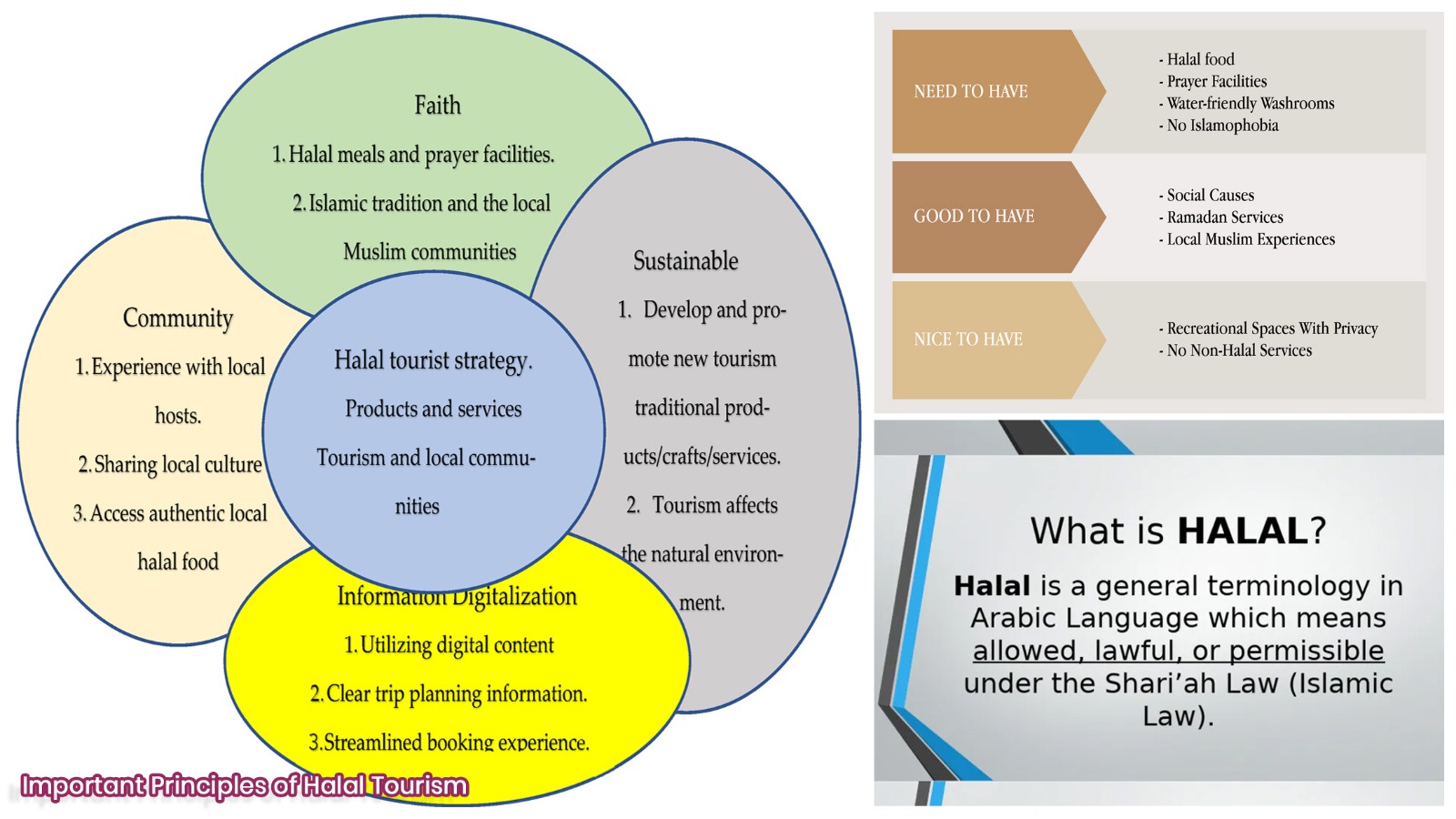
• Halal foods and drinks
• Prayer amenities or access to prayer areas
• Alcohol-Free or Alcohol-Controlled Environment
• Only limited recreational activities (swimming pools, beaches, spa time)
• Family-friendly and privacy-conscious accommodations
• Resorts under Islamic values and culture
These services enable travelers to travel without in any way compromising their faith while enjoying halal-friendly activities worldwide.
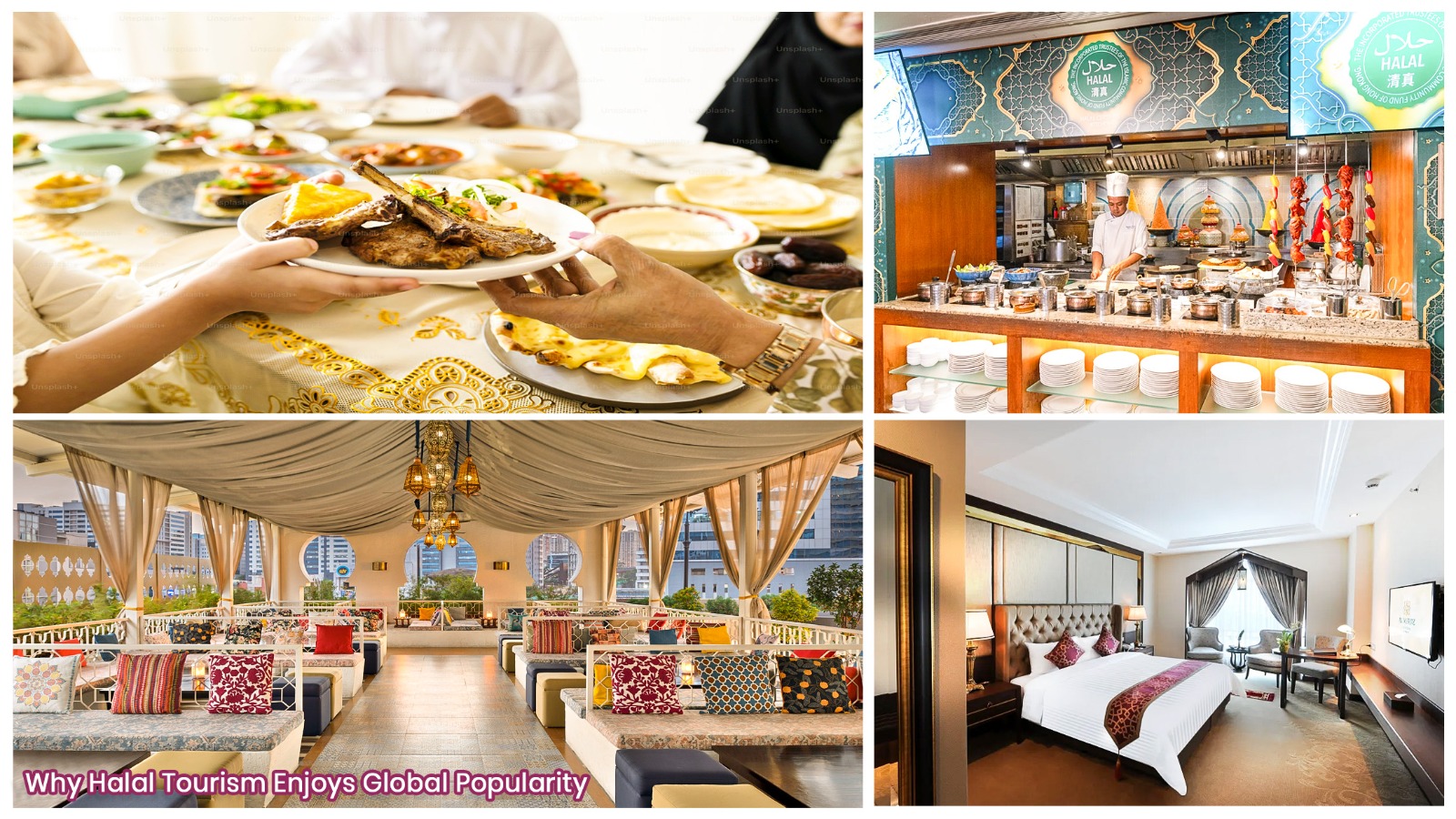
Why Halal Tourism Enjoys Global Popularity
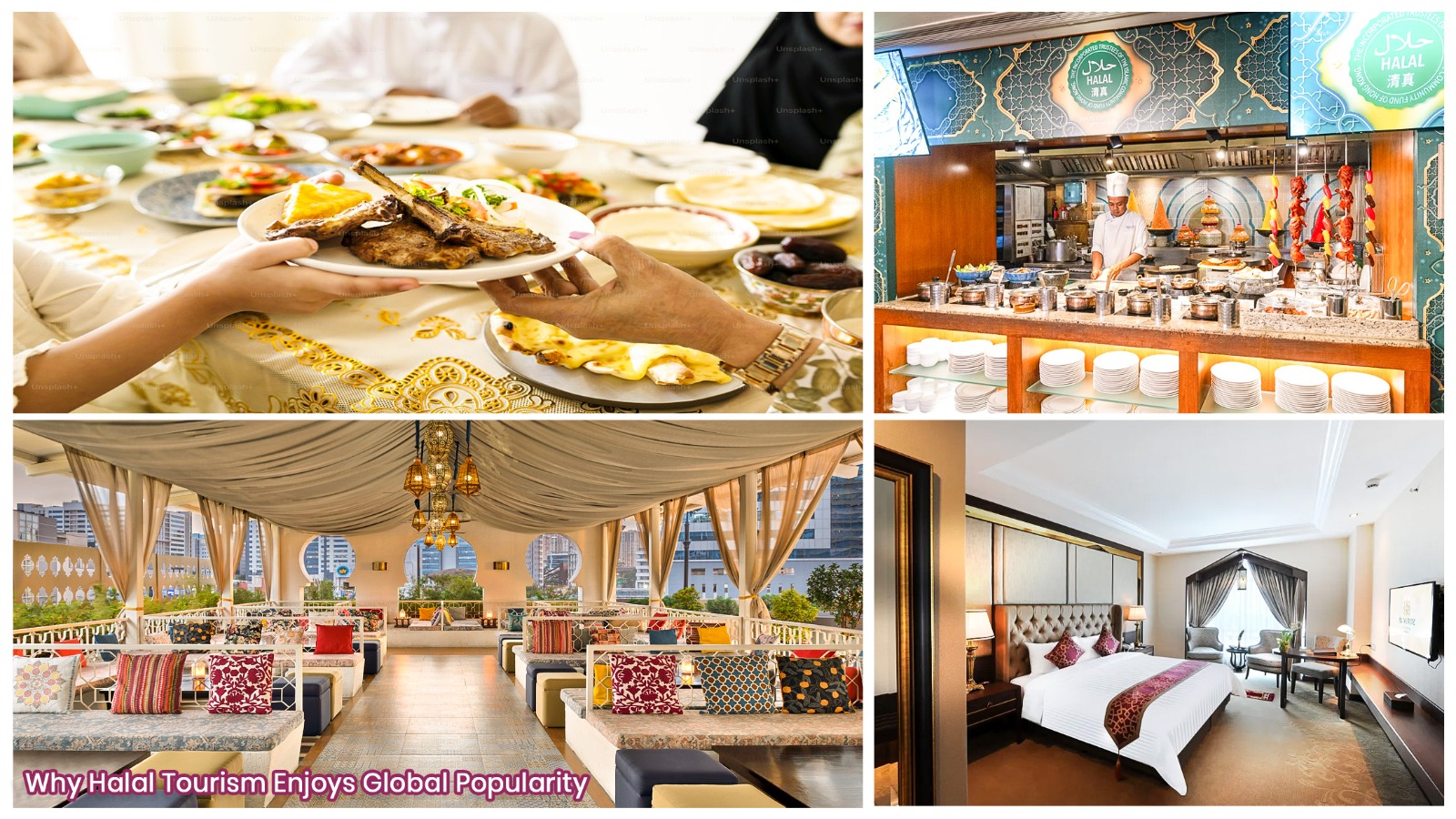
The increasing popularity of halal tourism is attributed to several reasons:
1. The Muslim population
Muslims constitute nearly 25% of the global population; therefore, there is significant demand for Muslim-friendly holidays.
2. Increased disposable income
Members of the middle class with the Islamic faith are increasingly taking vacations supported by halal travel services.
3. Increased awareness and technological resources
There are websites that make it convenient for tourists to find halal hotels, halal restaurants, and airport pickup and transfers.
4. Government and tourism board initiatives
Countries such as Saudi Arabia, Turkey, Malaysia, Indonesia, and UAE are encouraging the concept of halal holidays with Islamic travel insurance (Takaful) and structured tourism policies.
Top Halal-Friendly Travel Destinations
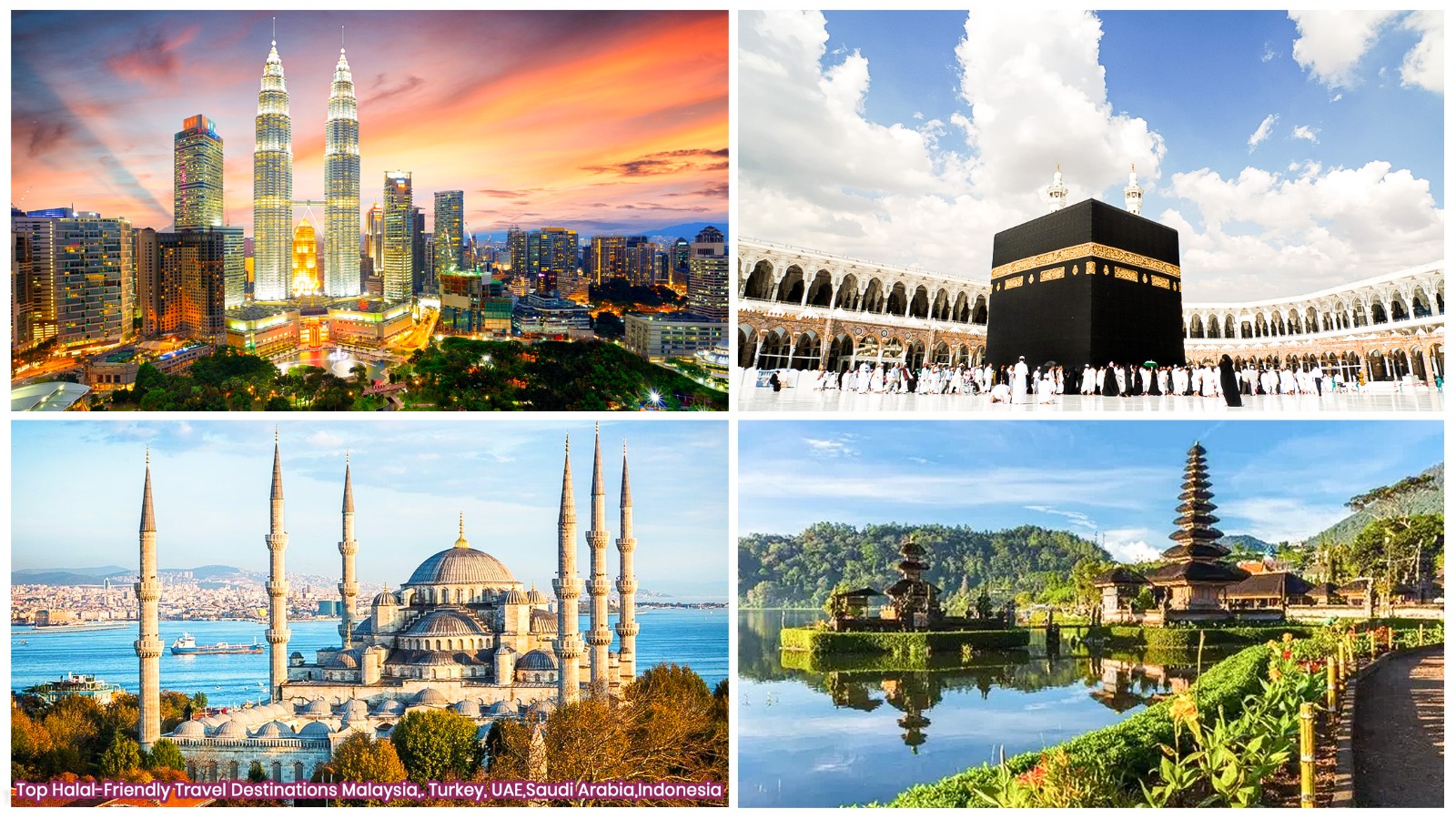
Some places shine worldwide for their excellent halal facilities, blending convenience and cultural respect with family-friendly facilities.
1. Malaysia
• Tasty and available halal food at restaurants, street stalls, and hotel restaurants listed on best halal restaurants.
• Spaces for prayer in airports, shopping malls, sites of interest, and even in public parks.
• Muslim-friendly hotels offering privacy, halal services, and gender-separated facilities found under halal-friendly hotels worldwide.
• Suitable for families with kid-friendly facilities, Islamic amusement parks, and safe public areas.
• Rich Islamic heritage, such as mosques, Islamic museums, and Islamic art.
• Availability of halal tours such as city tours, nature adventures, and island adventures via halal holiday packages.
2. Turkey
• Many halal beach resort hotels in the Aegean and Mediterranean coastal areas listed on halal-friendly hotels worldwide.
• Strong Islamic heritage reflected through beautiful mosques, Ottoman architecture, and historical landmarks.
• Rigorous recreational facilities, with separate pools, spas, and beaches.
• Availability of halal eateries, ranging from street food to upmarket restaurants serving traditional Turkish cuisine.
• Easy access to halal travel-related services such as halal-friendly activities worldwide.
• Cultural festivals.
3. UAE
• Wide availability of halal food, ranging from international cuisine to local Emirati dishes and street food available through best halal restaurants.
• Luxury Muslim-friendly hotels boasting prayer rooms, halal amenities, and an alcohol-free environment.
• Excellent family attractions such as theme parks, aquariums, desert safaris, and cultural villages.
• Many resorts have separate spa, pool, and leisure areas for men and women.
• Malls with prayer rooms and other Islamic-friendly facilities.
• Fast-developing halal tourism market with halal-friendly holiday packages tailored for Muslim tourists.
4. Saudi Arabia
• Religious tourism with leisure elements, including sightseeing of Mecca and Medina and modern attractions.
• Alcohol-free environment throughout the country.
• Fast tourism development under Vision 2030: luxury hotels, resorts, and entertainment projects.
• Increasing number of restaurants with halal certification and dining options.
• Islamic cultural centers, museums, and heritage sites enriching educational experiences.
• Expanding family-friendly leisure destinations supported by halal travel services.
5. Indonesia
• The world’s largest Muslim population; halal food is readily available through best halal restaurants.
• Affordable travel arrangements, such as budget resorts and hotels.
• Muslim-friendly hotels offering prayer rooms, halal food, and separate recreational spaces.
• Rich Islamic heritage, including historical mosques, Islamic schools, and cultural events.
• Natural tourism variety, ranging from Bali coastlines to Java highlands, with halal holidays throughout.
• Halal tours and experiences such as food tours, eco-tours, and religious sightseeing offered in halal-friendly activities worldwide.
Halal Food While Traveling
The primary fear of any Muslim traveler is food. Halal tourism guarantees these factors:
Certified halal food
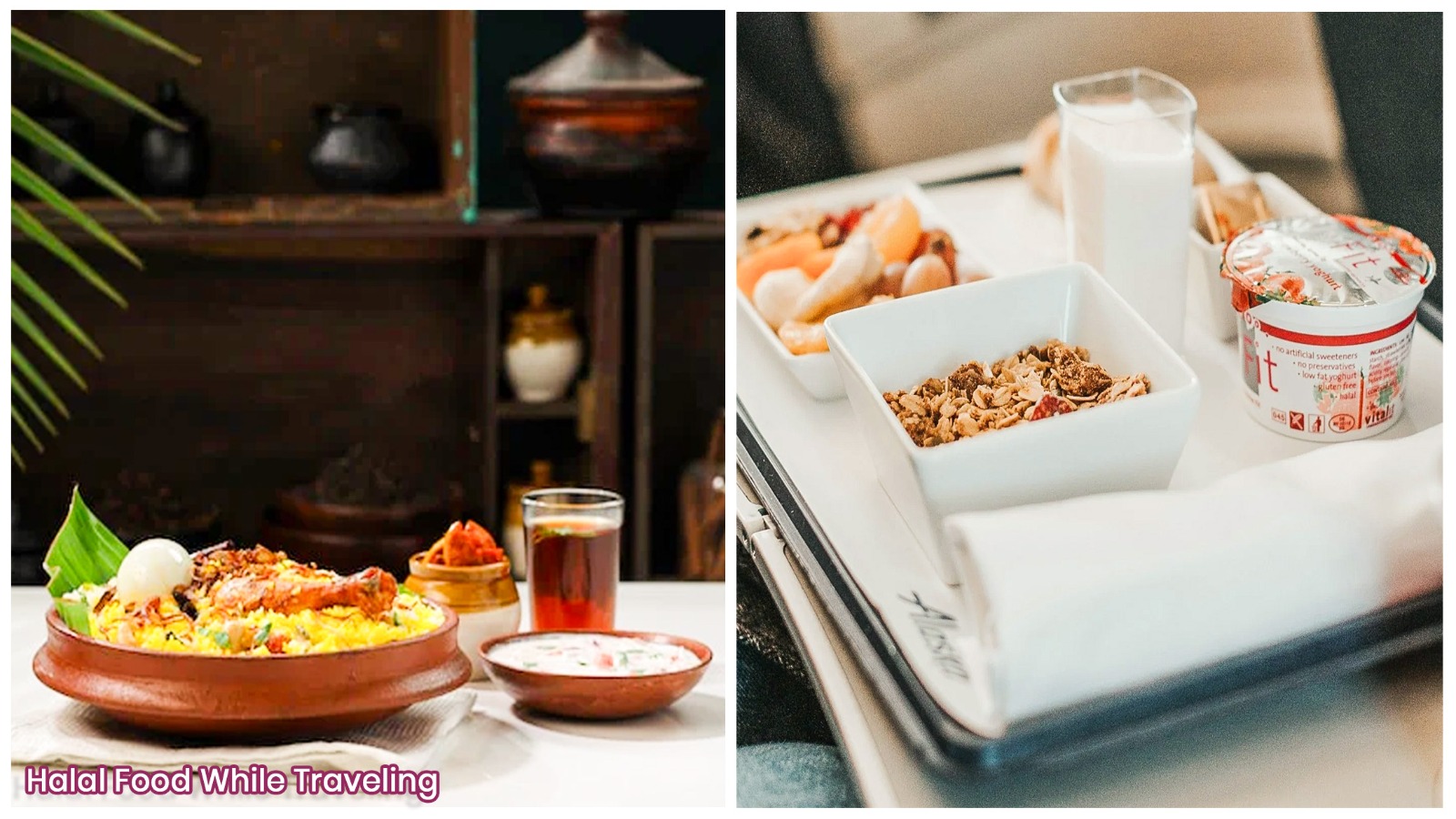
• Hotel/resort culinary facilities that provide halal foods
• Muslim-friendly airline catering
• Access to halal grocery stores
Travelers are advised to:
• Check halal certification
• Make use of halal food apps and platforms
• Select hotels which provide halal cuisine
Halal Accommodation & Hotels
Hotels which favor Muslims usually offer:
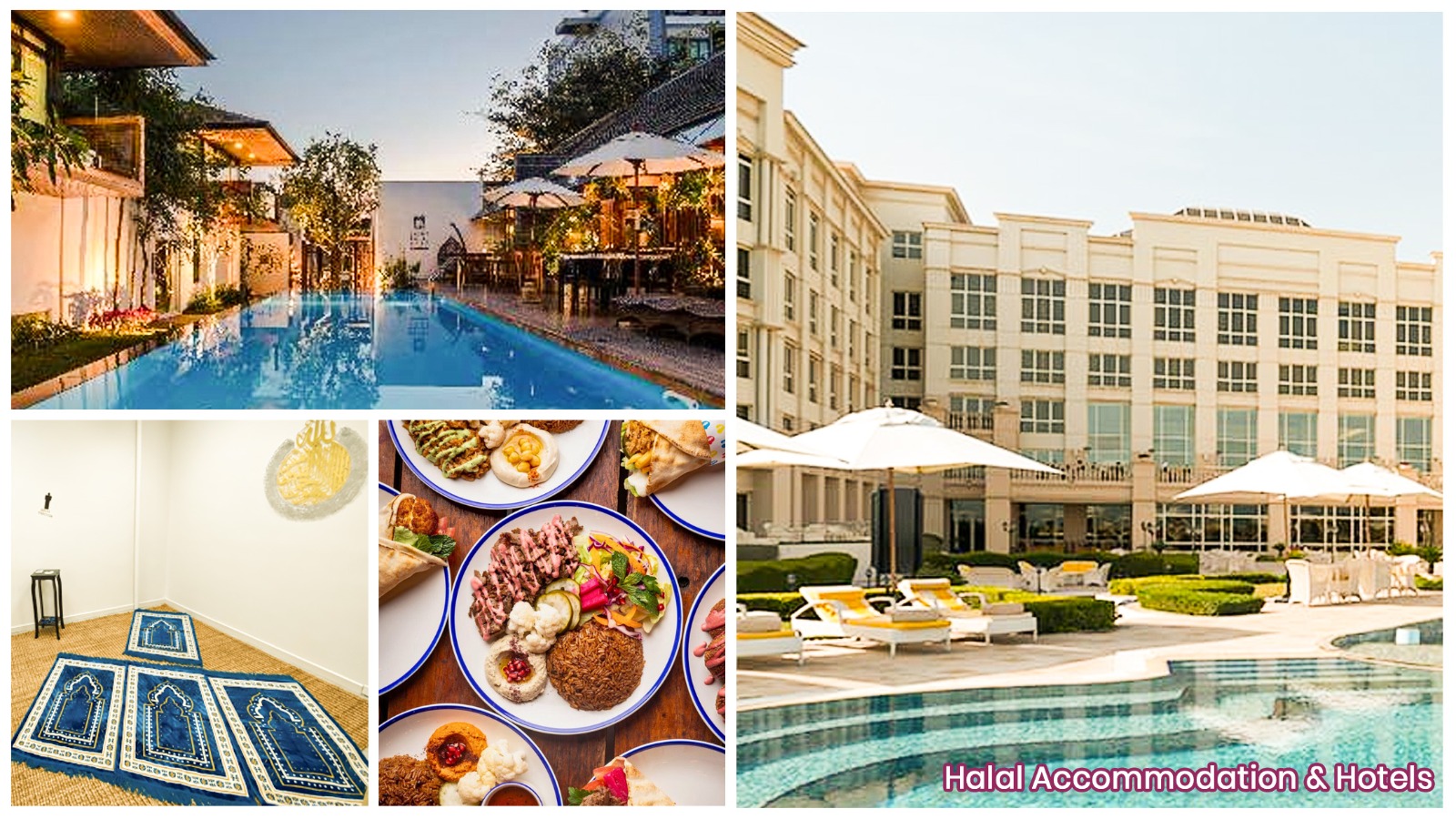
• Qibla direction in rooms
• Prayer mats and Quran upon request
• Alcohol-free
• Halal
• Male and female recreation facilities are separate
Additionally, women can enjoy women-only beaches, pools, and spa sessions at some hotels, especially in halal beach resorts and halal-friendly hotels worldwide.
Halal Transportation and Travel Services
Halal tourism also embraces safe travel services, which include:
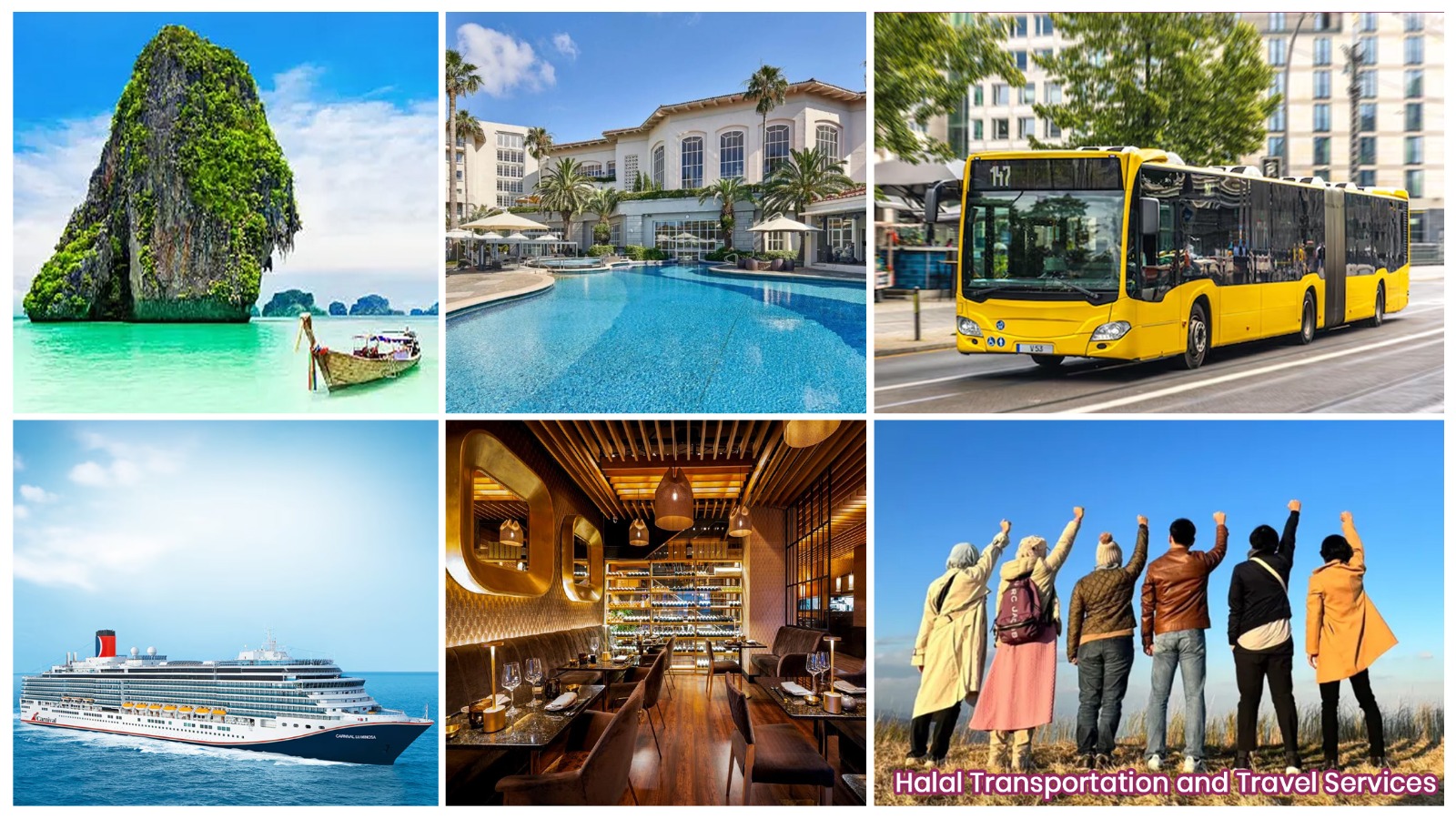
• Halal accommodation
• Airport prayer rooms
• Private airport transfers
• Family travel planning
• Shariah-compliant travel
Using reputable halal online booking platforms will give you comfort along your journey.
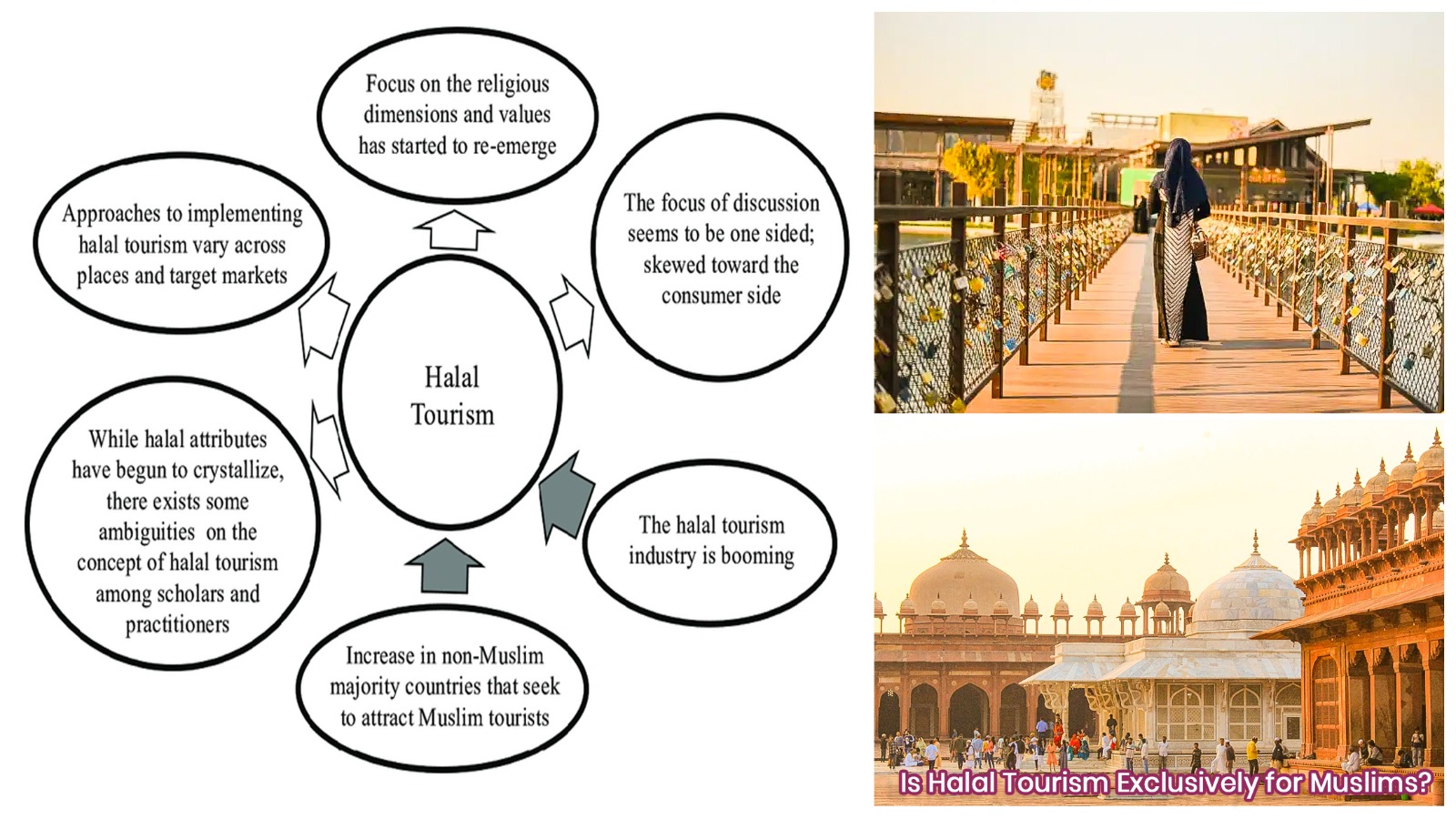
Is Halal Tourism Exclusively for Muslims?
No. Indeed, halal tourism is not limited to Muslims. Other tourists are also welcome. Some people opt for halal tourism due to the following advantages:
• Cleaner
• Water play
• Healthy food options
• Peaceful and safe environment
Halal tourism becomes attractive to broader communities in addition to the religious audience.
The Future of Halal Tourism
The future of halal tourism appears highly promising. With growing internet access, improved certifications, and rising acceptance globally, halal tourism is expected to soon become mainstream.
Countries investing in halal-friendly tourism facilities today are setting the stage to capture a major slice of the worldwide market.
Technology’s Role in Halal Tourism
The use of technology has impacted halal travel planning in the following ways:
• Halal travel apps
• Halal restaurants discovery platforms
• Muslim-friendly hotel booking websites
• Digital Qibla finder & prayer times software
Online platforms make halal tourism easier than ever.
How to Identify a Truly Halal-Friendly Destination
Before making a reservation, customers should check for:
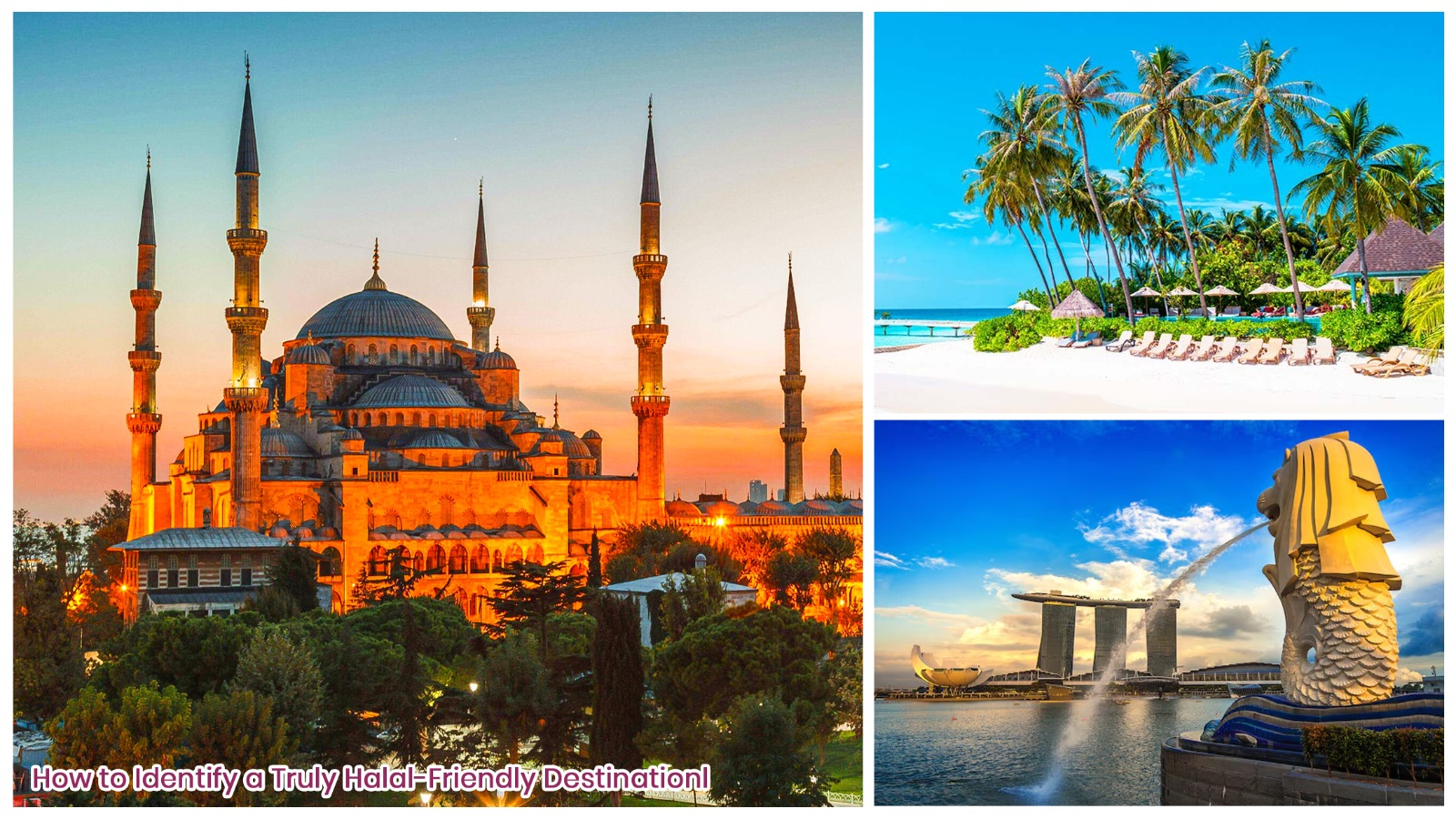
• Official halal certification
• Mosques or prayer rooms available
• Alcohol policies in hotels
• Cultural respect for Islamic values
• Reviews from Muslim travelers
Proper research ensures a seamless halal travel experience.
Halal Tourism Standards and Certification
Halal tourism certifications ensure the authenticity of services. Certifications include
• Halal food sourcing
• Standards of kitchen operations
• Hospitality industry alcohol regulations
• Staff training
Muslim travelers get extra assurance from HALAL-certified establishments listed on trusted halal travel platforms.
Everyday Challenges in Halal Tourism and Ways to Overcome Them
Some challenges include:
• Limited halal food in non-Muslim countries
• Language barriers
• Absence of prayer facilities
Solutions:
• Meal planning
• Muslim-friendly hotels
• Utilize halal travel websites and apps
Halal Tourism vs Normal Tourism
Aspect | Halal Tourism | Normal Tourism
Food | Halal | Non-Halal / Mixed
Alcohol | Restricted | Available
Privacy | High Priority | Standard
Family Focus | Strong | Moderate
The comparison underscores why tourists opt for halal tourism packages.
Economic Effects of Halal Tourism
Halal tourism is associated with:
• Local employment
• Hospitality industry growth
• Foreign exchange
• Sustainable tourism development
Governments globally are investing heavily in halal tourism facilities.
Why Halal Tourism Matters in Modern Travel
Halal tourism fosters:
• Ethical practices
• Cultural respect
• Inclusive tourism
• Sustainable hospitality operations
It aligns contemporary travel demands with religious beliefs.
Conclusion
Halal Tourism gives Muslim tourists the freedom to discover the world without compromising their faith, comfort, or lifestyle. Whether it is the availability of halal food, mosques for prayers, or modest accommodations, the experience of halal tourism is comprehensive and satisfying.
While awareness and infrastructure for Muslim travelers are increasing, halal tourism is no longer an emerging concept; it has become mainstream tourism worldwide. Be it summer vacations, honeymoons, family tours, or adventure tourism, halal tourism packages offer a safe, ethical, and enjoyable experience.
With reliable platforms such as HalalExplore.com, organizing holidays that suit the halal lifestyle has never been simpler, allowing tourists to rest assured and vacation without worries.
FAQ Section: Halal Tourism
FAQ 1: What is Halal Tourism?
Answer: Halal Tourism refers to travel services and destinations designed to meet the requirements of Muslim travelers. This includes providing halal food, prayer rooms, family-friendly accommodations, and other facilities that align with Islamic values.
FAQ 2: Which countries are most halal-friendly for tourists?
Answer: Some of the top halal-friendly destinations include Malaysia, Turkey, the UAE, Saudi Arabia, and Indonesia. These countries offer halal-certified restaurants, prayer rooms, alcohol-free resorts, and Muslim-friendly hotel options.
FAQ 3: Is Halal Tourism only for Muslims?
Answer: No. While halal tourism is primarily tailored for Muslims, it also benefits any traveler seeking safe, clean, and family-friendly environments.
FAQ 4: How can I determine a halal-friendly destination?
Answer: Look for halal certification, availability of mosques and prayer rooms, alcohol policies in hotels, and reviews from Muslim travelers. These indicators help ensure a destination aligns with halal requirements.
FAQ 5: In what ways does technology aid in Halal Tourism?
Answer: Technology makes halal travel easier with apps and websites that locate halal hotels and restaurants, provide qibla direction finders, and offer travel planning tools specifically for Muslim-friendly travel.