 Hotels
 Activities
 Holidays
 Transfers
 Insurance
 Cruises
 Restaurants
 Blogs
Blogs
Is Morocco Safe for Muslim Travelers?
Complete 2026 Safety Guide
Morocco has emerged as one of the top travel destinations for Muslim tourists coming from the United Arab Emirates, Gulf Cooperation Council, Southeast Asia, Europe, and other places across the world. From the historic medinas of Marrakech and Fes, to the stunning Sahara Desert, to the beautiful Atlantic coastline, Morocco presents a combination of Islamic history, halal foods, rich culture, and luxurious tourism facilities.
One of the most frequently asked questions before traveling to Morocco is:
Is Morocco Safe for Tourists in 2026?
The quick answer is Yes — Morocco is a relatively safe place for tourists including Muslim families, couples, solo travelers, and female travelers. Crimes against tourists are rare in Morocco; the country also offers good tourism infrastructure along with security forces.
However, as is true for most travel destinations, travelers must be prepared for petty cons, pickpocketing in crowded markets, transportation problems, and cultural differences.
This complete guide contains everything Muslim travelers must know about visiting Morocco in 2026.
Reasons Why Muslim Tourists Love Visiting Morocco
Morocco remains one of the easiest and most convenient destinations to visit for Muslims because the Muslim culture prevails across all walks of life.
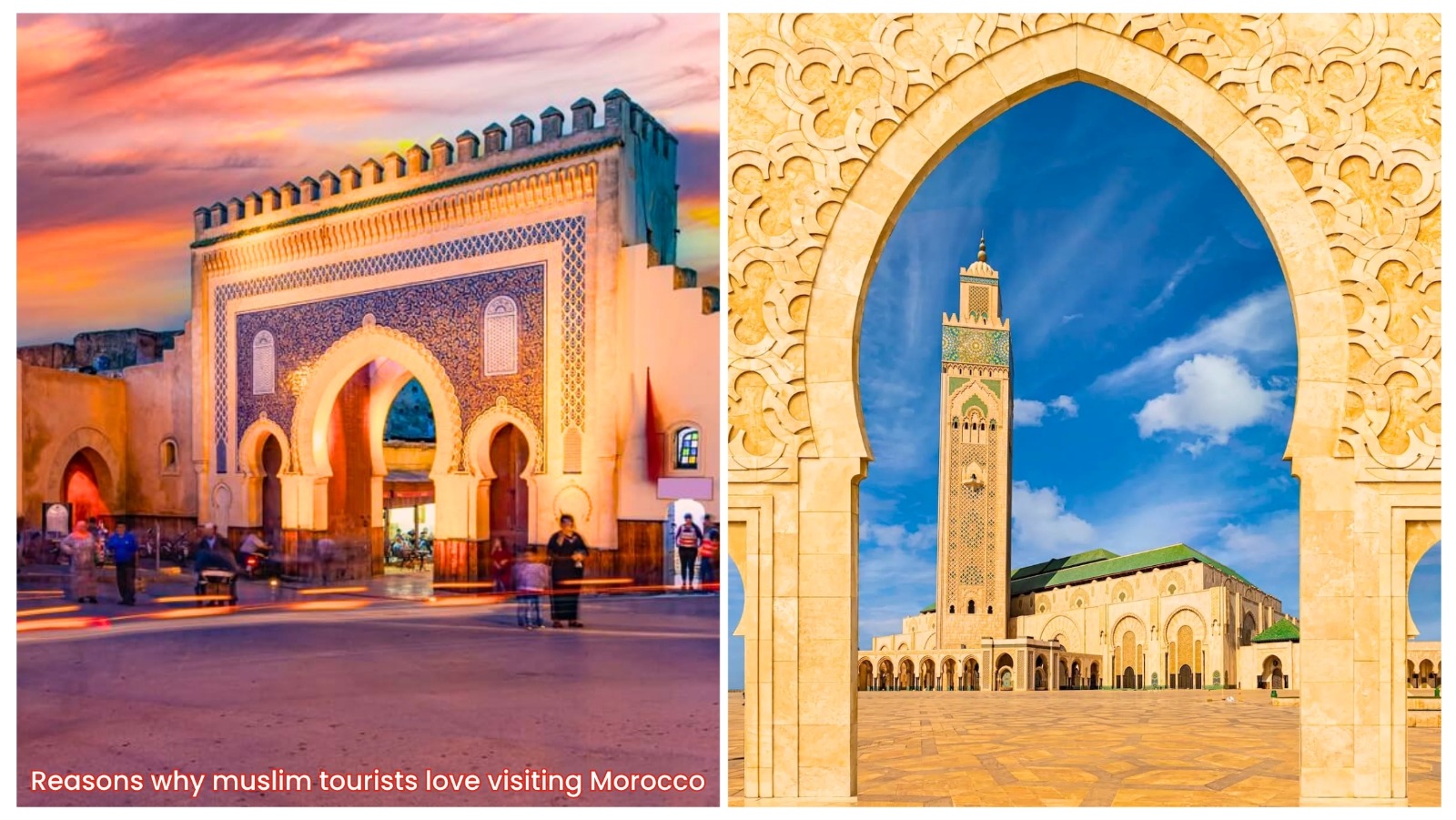
Some of the reasons why Muslim travelers love visiting Morocco include:
- Availability of halal food
- Existence of mosques in every city
- Sites with Islamic architecture
- Friendly dressing culture that accepts Muslim attire
- Muslim-friendly surroundings
- Avenues to perform prayers
- Culture that supports Ramadan celebrations
Travelers looking for unique experiences can also explore Halal-Friendly Activities Worldwide and discover more Muslim-friendly travel inspiration through Halal Explore.
Some of the cities that Muslim tourists love visiting when in Morocco include Marrakech, Fes, Casablanca, and Chefchaouen.
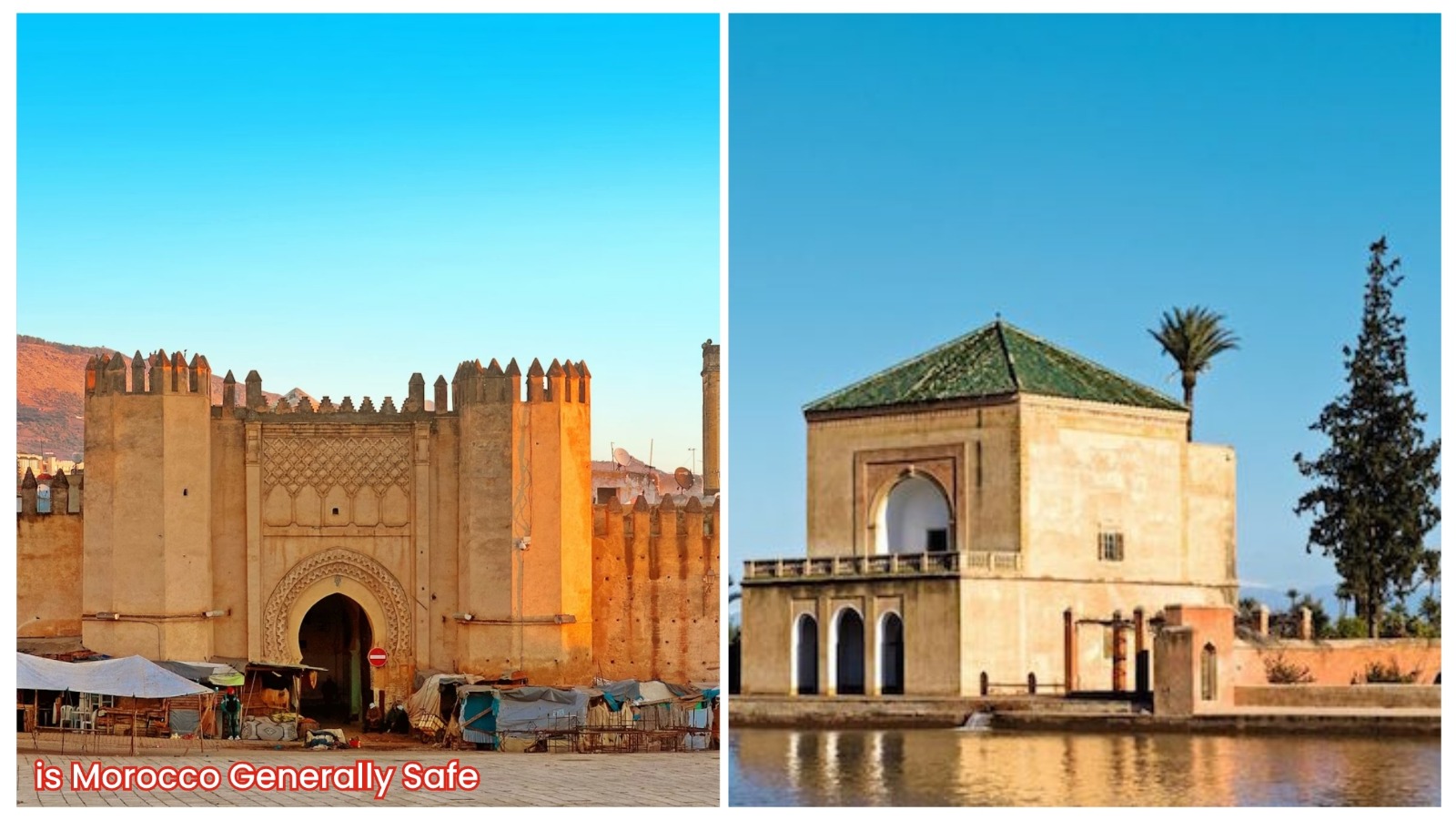
Is Morocco Generally Safe?
According to research, Morocco is one of the safest tourist destinations in North Africa. There have been no serious crimes against tourists in Morocco. In addition, the Moroccan government highly protects tourism by providing police and tourist protection services.
General Safety Considerations
What Is Usually Safe
- Tourist attractions and sightseeing areas
- Riads and hotels
- Major city transportation
- Trips with children
- Experiences offering halal food
- Guided trips
- Desert camp excursions
Travelers can also book comfortable stays through Halal-Friendly Hotels Worldwide for added convenience and peace of mind.
Typical Problems Travelers May Encounter
- Pickpockets in bustling souks
- Overspending on taxis
- Persistent salesmen
- False claims by unprofessional guides
- Tourist scams
- Street harassment when traveling alone in medinas
The vast majority of problems are more of an annoyance than danger to health.
Safety Tips for Muslim Families Visiting Morocco
Muslim family vacations in Morocco are well regarded.
Families can enjoy:
- Culturally conservative surroundings
- Access to halal food
- A country where prayer is allowed
- Muslim-friendly riads and resorts
- The tradition of Moroccan hospitality
Many local Moroccans are friendly toward Muslim tourists, especially visitors from GCC countries and Southeast Asia.
Popular family-friendly destinations include:
- Marrakech
- Agadir
- Casablanca
- Essaouira
- Tangier
Families planning complete Muslim-friendly vacations can also explore Halal-Friendly Holiday Packages.
Solo Female Travel Safety in Morocco
Solo female travel in Morocco is possible and increasingly common, but women should prepare for some cultural challenges.
Several recent travel safety guides note that serious violent crime against tourists is uncommon, but verbal harassment, catcalling, and persistent sales behavior can occur in busy tourist districts.
Practical Safety Tips for Women
- Dress modestly
- Avoid isolated alleys at night
- Use registered guides
- Ignore persistent street sellers
- Avoid sharing personal details with strangers
- Book reputable accommodations
- Use official taxis or hotel-arranged transport
Women wearing modest Islamic clothing often report feeling more culturally comfortable than in many Western tourist destinations.
For smoother airport arrivals and safer transport options, travelers may also consider Airport Transfers & Pickup Services.
Common Tourist Scams in Morocco
Even if Morocco is among the safest tourist destinations in North Africa, travelers should still be aware of tourist scams commonly found in destinations such as Marrakesh, Fez, Casablanca, Tangier, and Chefchaouen.
Scams are generally non-violent and are mostly associated with aggressive salesmen, overpricing, and misinformation aimed at inexperienced tourists.
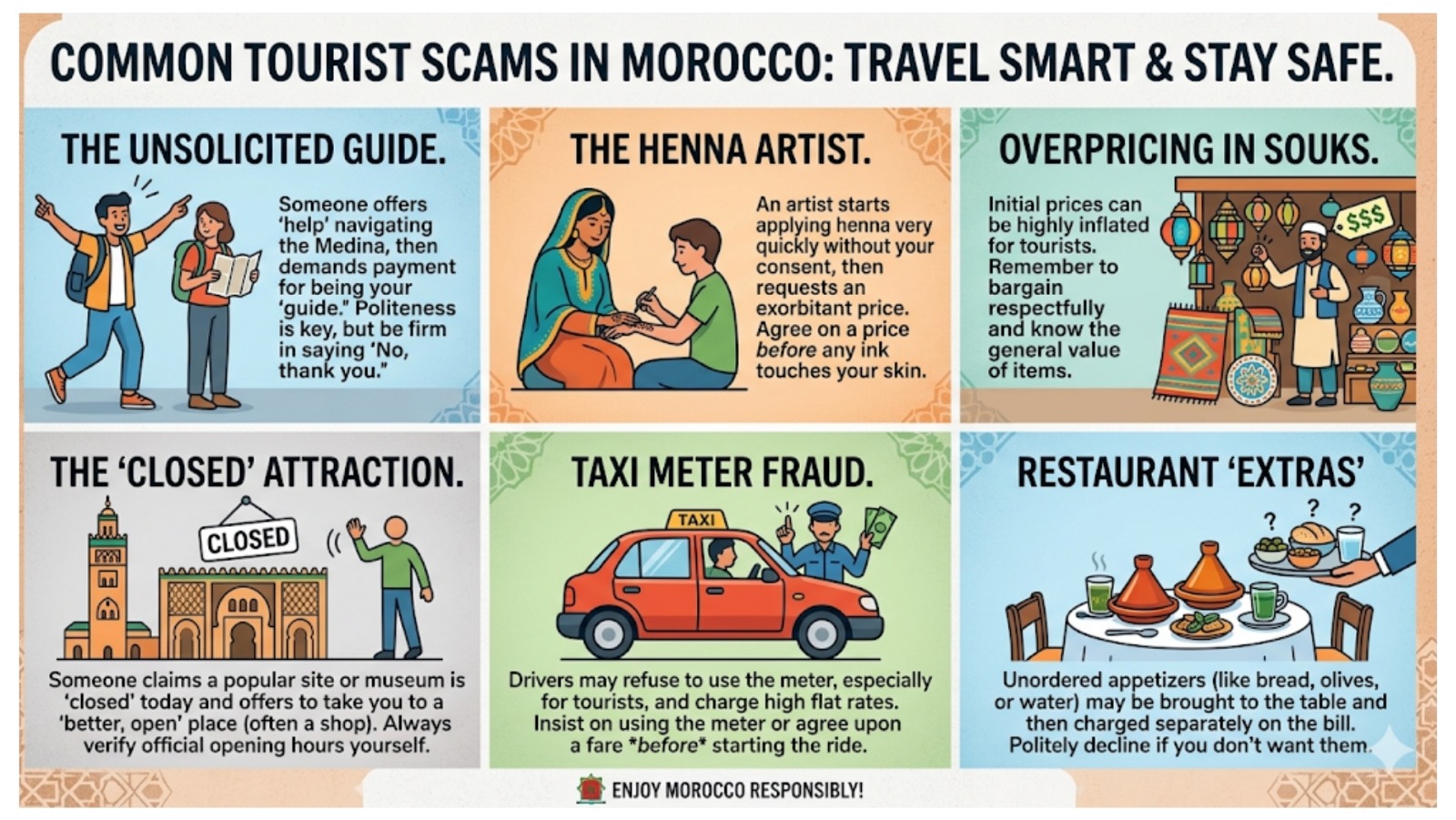
Understanding these situations beforehand can help Muslim travelers enjoy a smoother Moroccan travel experience.
1. Unofficial Tour Guides
One common tourism scam in Morocco involves unofficial tour guides.
Locals may approach tourists navigating busy medinas or tourist attractions and offer guidance, shortcuts, or “free” help, only to later demand payment or pressure tourists into shopping.
This issue is particularly common in the medinas of Fes and Marrakech, where narrow alleyways can be confusing.
Safety Advice:
- Hire officially certified guides
- Book tours through reputable hotels or agencies
- Avoid isolated areas with strangers
- Download offline maps for navigation
Certified guides not only improve safety but also provide deeper insights into Moroccan culture and Islamic history.
2. Excessive Taxi Prices
Another frequent scam tourists may encounter involves taxi drivers refusing to use the meter or charging inflated prices.
This is especially common at airports and train stations.
Safety Tips:
- Ensure the meter is switched on before the trip
- Negotiate prices beforehand if no meter is available
- Carry smaller cash amounts
- Use hotel-arranged transportation whenever possible
- Use taxi apps where available
Petit taxis are generally safe for city travel, while grand taxis are used for intercity journeys.
3. Pressure Sales in Souks
Moroccan souks are world-famous for carpets, lanterns, leather goods, spices, and handicrafts.
However, travelers should expect aggressive sales techniques in busy market areas.
Shopkeepers may invite tourists for tea, claim “special prices,” or encourage purchases using persistent negotiation tactics.
Safety Tips:
- Politely say “La Shukran” (“No thank you”)
- Do not feel pressured to buy
- Compare prices between shops
- Bargain politely and confidently
- Avoid displaying large amounts of cash
Most shopkeepers are friendly and professional, but patience and confidence help avoid unnecessary stress.
Travelers interested in authentic halal dining experiences can also explore Best Halal Restaurants Worldwide.
Additional Travel Services for Muslim Travelers
To make your Morocco journey smoother and more comfortable, travelers can also explore:
- Best Halal-Friendly Cruise Packages
- Halal Insurance & Takaful Services
- Halal-Friendly Hotels Worldwide
- Halal-Friendly Holiday Packages
Morocco continues to remain one of the most welcoming Muslim-friendly destinations in the world, combining Islamic heritage, halal hospitality, cultural beauty, and unforgettable travel experiences.
4. Pickpocketing and Petty Theft
As with any popular tourist destination in the world, there is an occasional incidence of petty crimes including pickpocketing in Morocco, especially in crowded places like marketplaces, railway stations, public squares, and other tourist sites.
Crowded spots such as the famous Jemaa el-Fnaa market in Marrakech can attract pickpockets, as tourists often become distracted while shopping, taking photos, or watching street performances.
Although violent crimes involving tourists are very rare, travelers should still pay close attention to their belongings.
Safety Tips:
- Always keep your passport, wallet, and phone secured in a crossbody or anti-theft bag.
- Avoid displaying expensive watches, jewelry, or luxury accessories.
- Do not carry large amounts of cash.
- Stay alert in crowded souks and transportation hubs.
Tourists who remain aware of their surroundings and follow standard travel safety practices rarely experience major problems during their stay in Morocco.
Travelers can also arrange safer and more convenient transportation through Airport Transfers & Pickup Services.
Is Halal Food Easily Available in Morocco?
Absolutely! Halal food is easily accessible throughout Morocco, making it one of the best travel destinations for Muslim tourists worldwide.
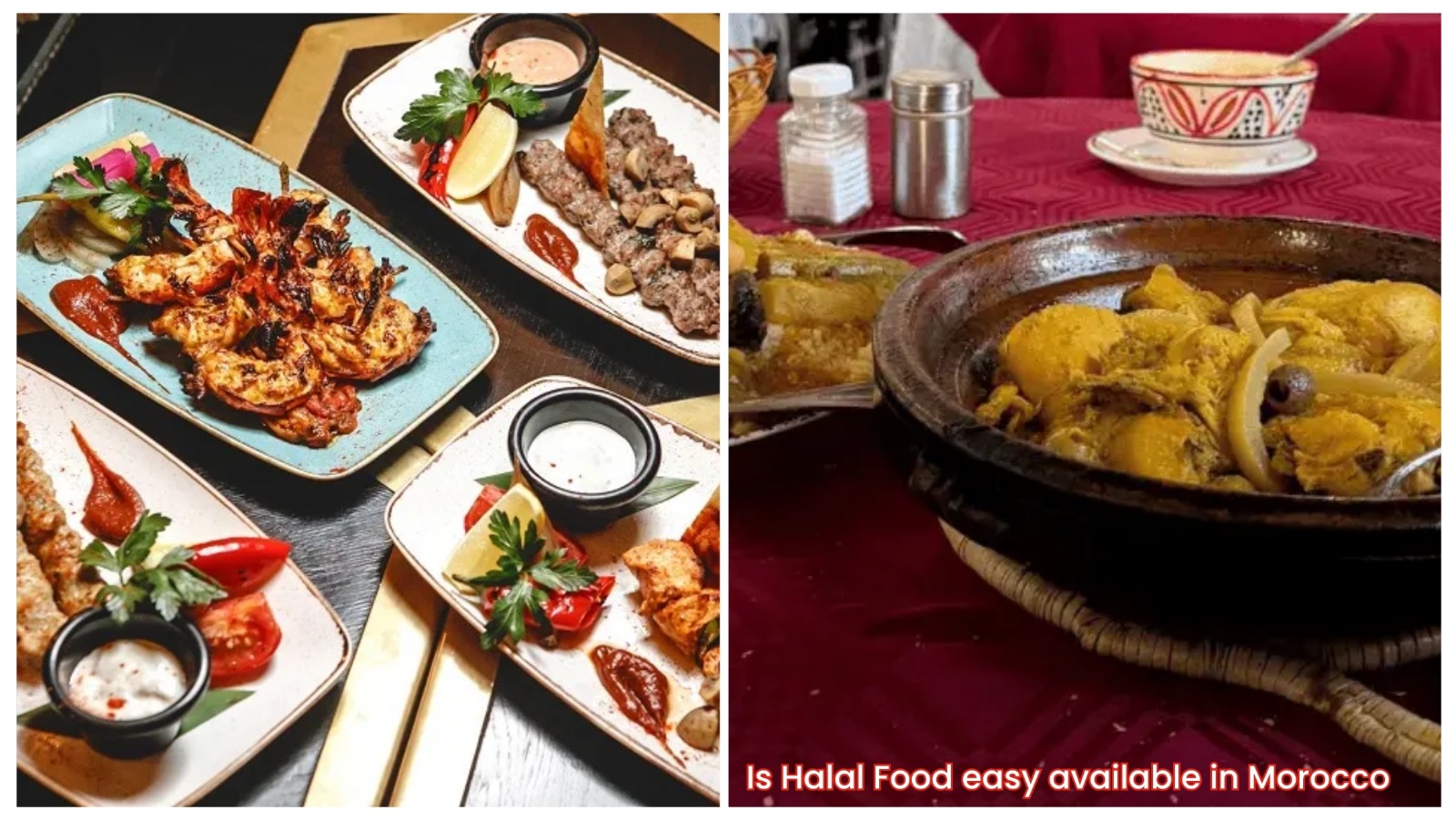
Since Morocco is a predominantly Muslim country with deep Islamic traditions, most local restaurants and eateries naturally serve halal food. Unlike many international tourist destinations where Muslim travelers must specifically search for halal restaurants, visitors in Morocco can comfortably enjoy local cuisine almost everywhere without concern.
This convenience is one of the major reasons Morocco remains highly popular among travelers from GCC countries and Southeast Asia.
Moroccan cuisine is strongly influenced by Islamic culinary traditions.
Popular Halal Dishes in Morocco
- Tagine — Slow-cooked meat or vegetable stew prepared in traditional clay pots
- Couscous — One of Morocco’s national dishes, commonly served on Fridays with vegetables and meat
- Harira Soup — Traditional tomato-based soup especially popular during Ramadan
- Grilled Meats — Lamb, chicken, and beef kebabs are widely available
- Pastilla — Savory pastry dish filled with meat and aromatic spices
- Seafood — Fresh seafood is especially popular in coastal cities such as Essaouira and Casablanca
Travelers can also discover more dining experiences through Best Halal Restaurants Worldwide.
Tourists will also find luxurious halal-friendly restaurants in popular destinations including Marrakech, Casablanca, Fes, and Tangier.
Street Food in Morocco
Morocco’s vibrant street food culture has become one of the highlights for many international visitors.
Travelers can enjoy:
- Grilled meats
- Moroccan sandwiches
- Fresh pastries
- Traditional mint tea
- Local snacks and desserts
Despite the popularity of Moroccan street food, maintaining standard food hygiene precautions is still recommended.
Food Hygiene Tips
- Choose busy food stalls with high customer turnover
- Avoid food left uncovered for long periods
- Prefer bottled drinking water
- Wash or sanitize hands before meals
- Avoid uncooked food from unreliable vendors
Most travelers who dine at reputable and busy establishments experience no major food-related issues during their trip.
Travelers planning Muslim-friendly culinary vacations can also explore Halal-Friendly Holiday Packages.
Mosque Accessibility and Prayer Facilities in Morocco
One of the greatest conveniences for Muslim travelers visiting Morocco is the easy accessibility of mosques throughout the country.
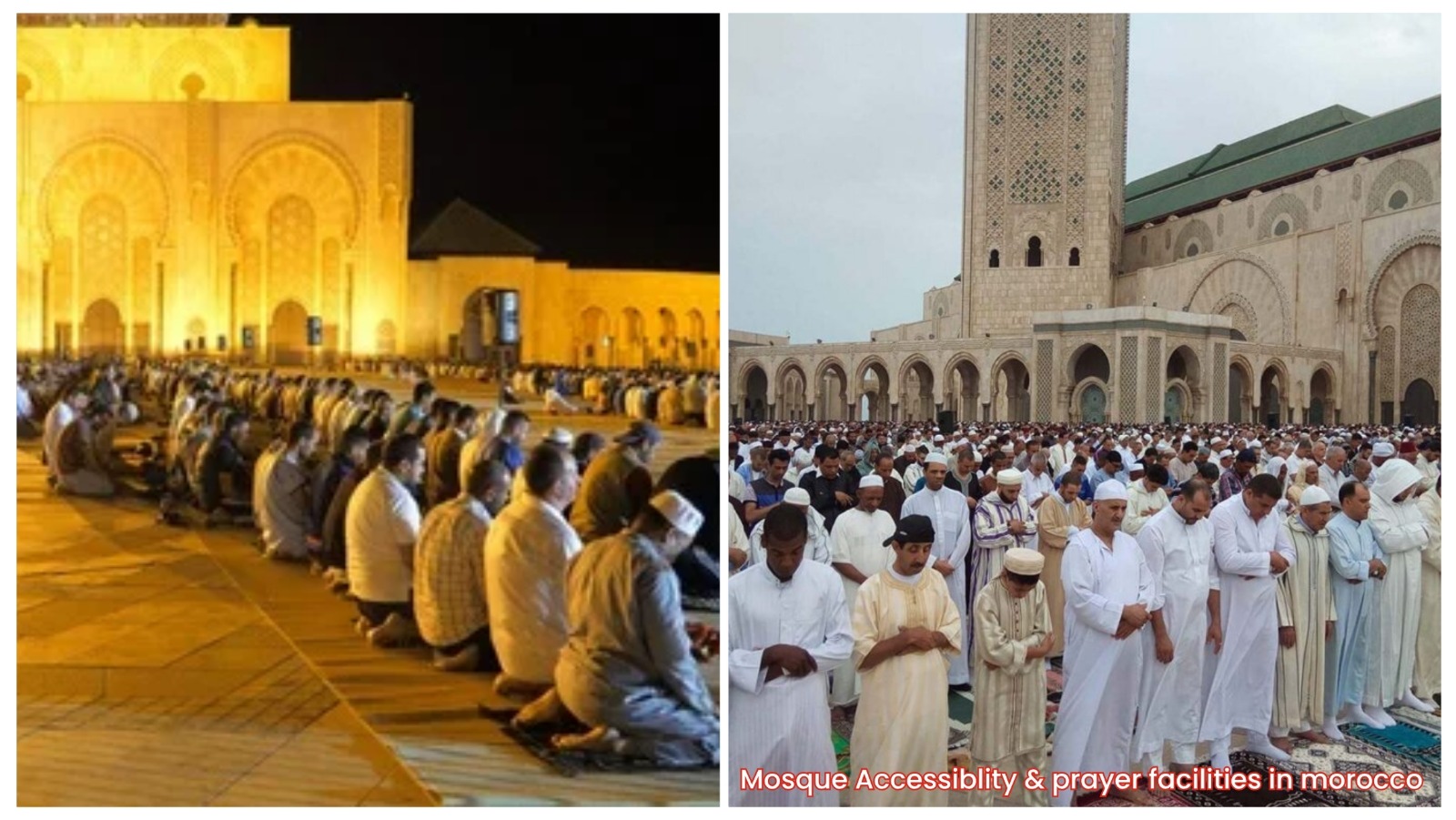
Whether travelers visit large cities or smaller towns, they will frequently hear the adhan and find convenient locations for performing salah.
Islamic traditions remain deeply integrated into Moroccan daily life, architecture, and culture, making Morocco an especially comfortable destination for Muslim travelers.
What Travelers Should Know About Moroccan Mosques
- Mosques are found throughout cities, airports, shopping areas, and residential neighborhoods
- Prayer rooms are generally accessible for Muslims
- Friday prayers are actively observed across the country
- Islamic customs and prayer culture are strongly respected
However, travelers should also understand certain local religious practices.
Mosque Regulations
- Most mosques in Morocco are open only to Muslims
- Non-Muslims are generally not allowed inside main prayer halls
- Photography may be restricted in some mosques and prayer areas
Hassan II Mosque – Casablanca
One major exception is the famous Hassan II Mosque in Casablanca, which allows non-Muslim visitors to enter during guided tours at selected times.
This mosque is considered one of the most iconic Islamic landmarks in the world.
Remarkable Features of Hassan II Mosque
- Stunning Moroccan-Islamic architecture
- Beautiful oceanfront location
- Intricate zellige tile craftsmanship
- Massive prayer hall
- Spectacular minaret views
For many Muslim travelers, visiting the Hassan II Mosque becomes one of the unforgettable highlights of their Morocco itinerary.
Travelers seeking complete Muslim-friendly experiences can also browse:
- Halal-Friendly Hotels Worldwide
- Best Halal-Friendly Cruise Packages
- Halal Insurance & Takaful Services
Cultural Etiquette Muslim Travelers Should Know
Awareness of local customs in Morocco can help make a traveler’s journey smoother and more enjoyable. While Morocco is generally more relaxed compared to some other Muslim countries, traditional Islamic values and cultural etiquette remain highly respected throughout the country.
Understanding local traditions not only helps travelers stay comfortable and safe but also encourages positive interactions with local Moroccans.
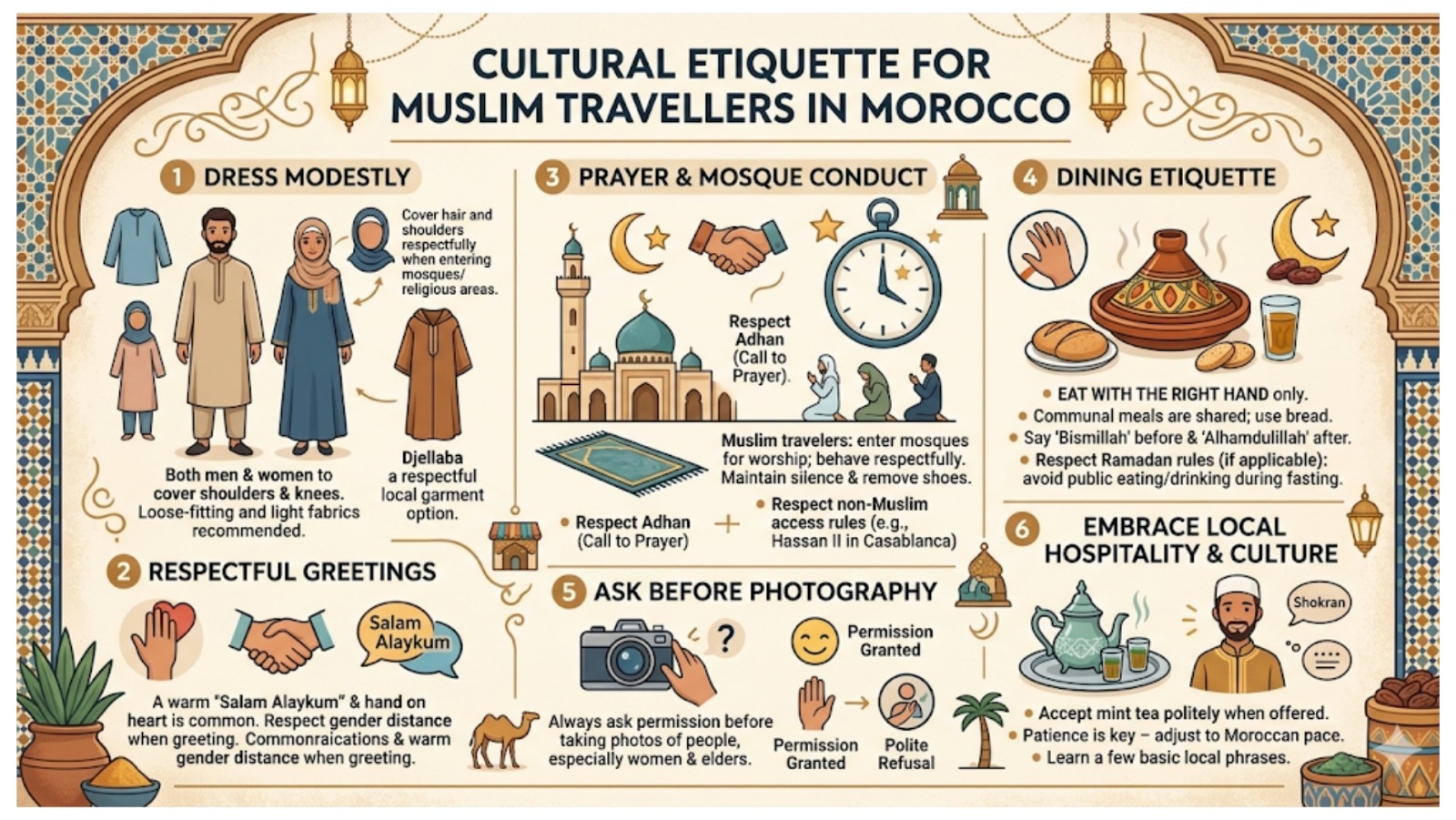
Dress Conservatively
Although travelers may notice modern fashion in larger cities, dressing modestly is still recommended in many areas, especially traditional neighborhoods and smaller towns.
Dressing Advice:
- Women generally feel more comfortable wearing loose and modest clothing
- Men should avoid overly revealing outfits in conservative areas
- Lightweight clothing is ideal due to Morocco’s warm climate
Muslim travelers often find Morocco particularly comfortable because modest dressing is widely practiced among local communities.
Travelers looking for comfortable Muslim-friendly accommodations can also explore Halal-Friendly Hotels Worldwide.
Public Displays of Affection
Moroccan society remains culturally conservative regarding public affection.While handholding between married couples is generally acceptable, excessive public displays of affection such as kissing should be avoided, especially in smaller towns and traditional districts.
Respecting local customs helps travelers avoid unwanted attention and maintain positive interactions with locals.
Friday Prayer Timings
Friday is considered an important religious day across Morocco, and many people attend Jumu’ah prayers at local mosques.
During Friday prayer times:
- Some shops and businesses may temporarily close
- Activity levels may slow down in certain areas
- Mosques become especially busy
Travelers should plan shopping, sightseeing, and transportation schedules accordingly.
Ramadan Travel Experience in Morocco
Traveling during Ramadan in Morocco can be one of the most spiritually enriching experiences for Muslim travelers.
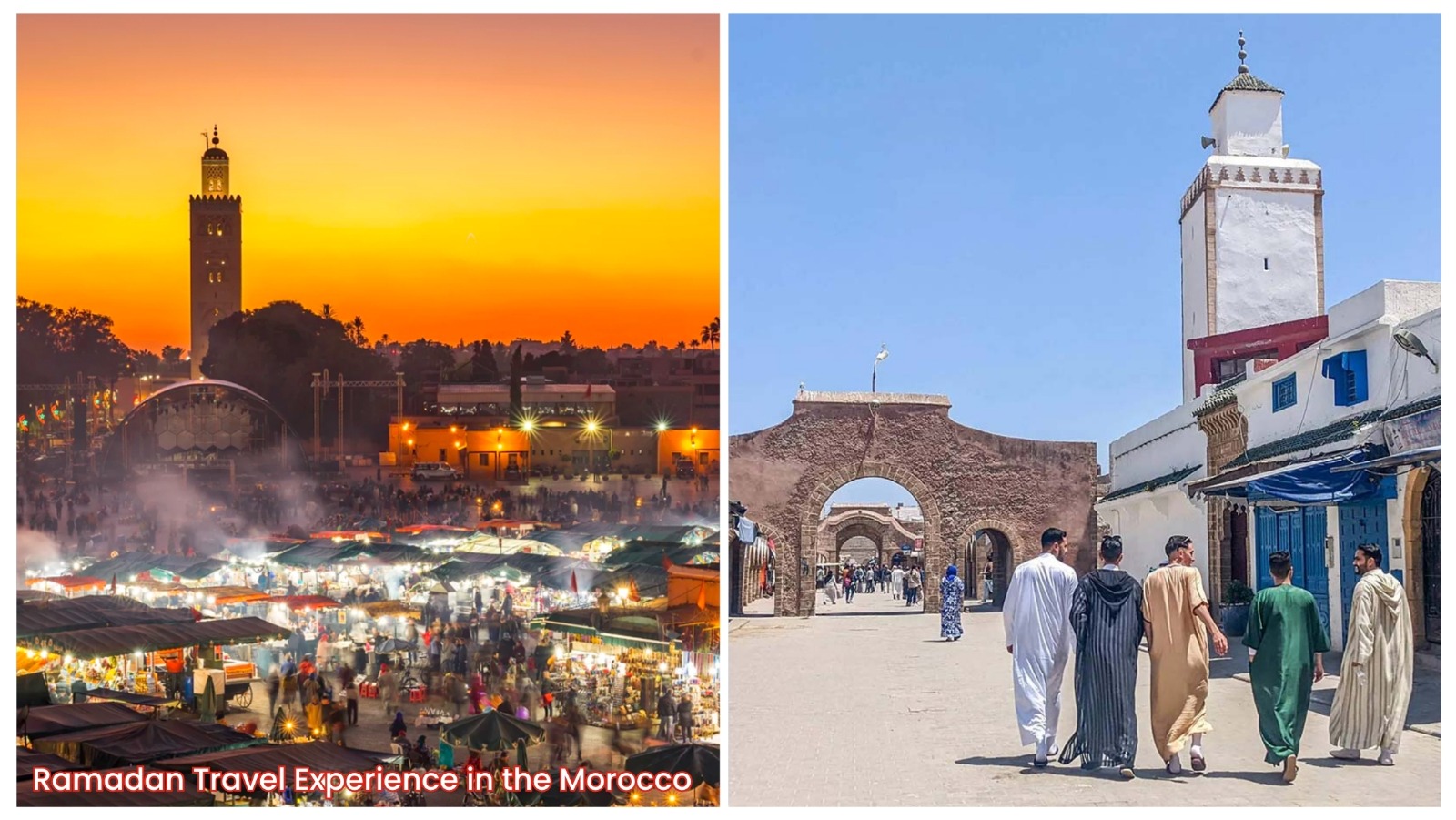
Visitors can enjoy:
- Traditional Ramadan markets
- Authentic iftar meals
- Taraweeh prayers
- Festive evening atmospheres
- Strong community gatherings
However, travelers should also expect:
- Reduced business hours
- Some restaurants opening later during the day
- Quieter daytime streets in certain areas
Despite these adjustments, Morocco during Ramadan offers a beautiful opportunity to experience Islamic culture and hospitality in a deeply authentic way.
Travelers planning special Ramadan or Islamic holiday trips may also browse Halal-Friendly Holiday Packages.
Best Muslim-Friendly Cities to Visit in Morocco
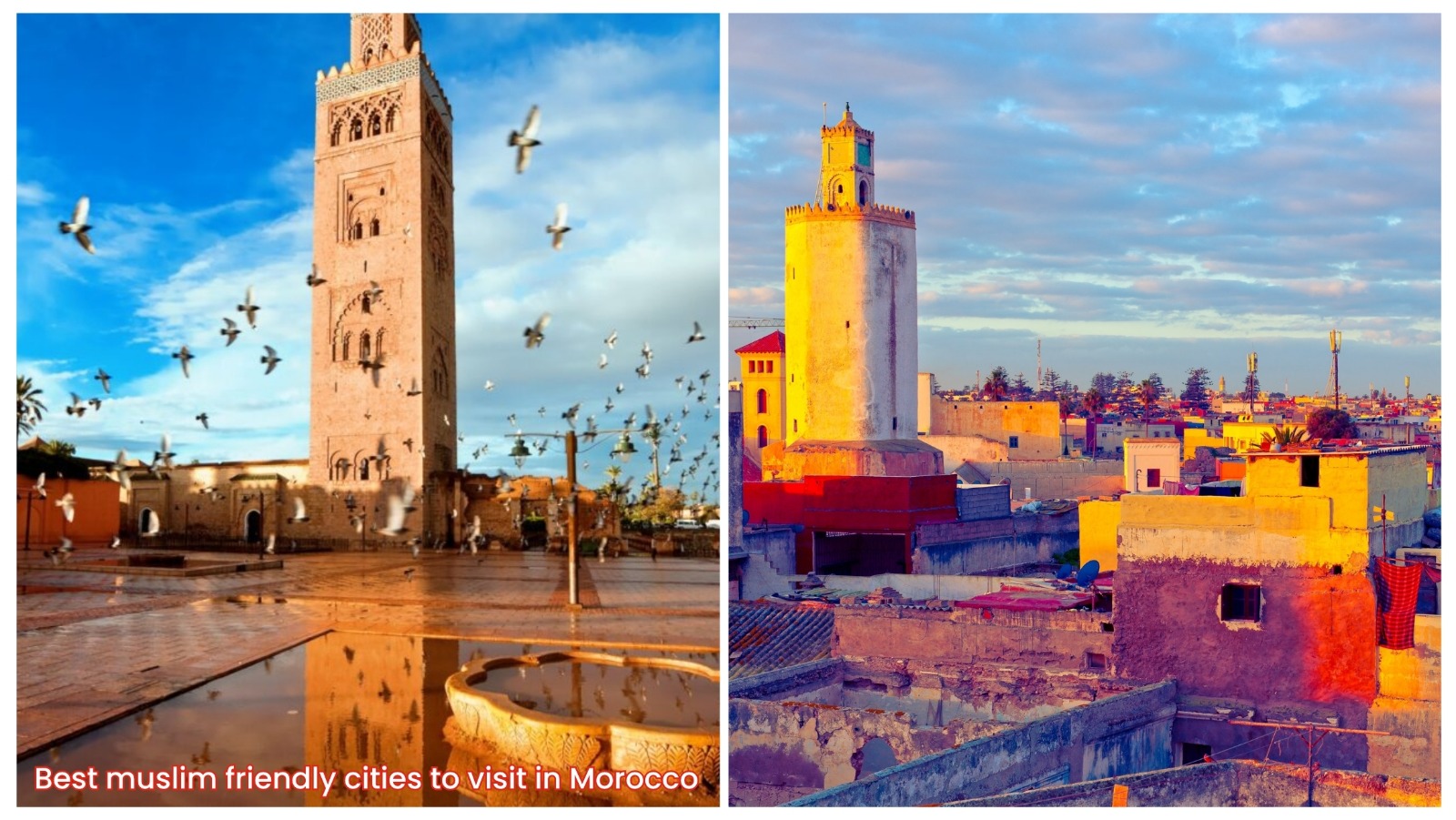
Marrakech
As one of Morocco’s most popular tourist cities, Marrakech is ideal for:
- Luxury riads
- Cultural sightseeing
- Traditional souk shopping
- Rooftop halal restaurants
- Family-friendly travel experiences
The city beautifully combines Islamic heritage with luxury hospitality.
Chefchaouen
Known as the “Blue City,” Chefchaouen is famous for:
- Peaceful surroundings
- Relaxed atmosphere
- Scenic mountain views
- Blue-painted streets and buildings
This destination is especially popular among couples and photographers.
Essaouira
Essaouira offers a relaxing coastal atmosphere with:
- Fresh halal seafood
- Family-friendly surroundings
- Beautiful ocean views
- Less crowded medinas
Travelers interested in halal dining experiences can also explore Best Halal Restaurants Worldwide.
Casablanca
As Morocco’s economic capital, Casablanca offers:
- Luxury hotels
- Modern transportation systems
- Premium shopping experiences
- Business-friendly facilities
The city is also home to the famous Hassan II Mosque.
Fes
One of the oldest Islamic cities in the world, Fes is ideal for travelers interested in:
- Islamic civilization
- Traditional Moroccan culture
- Historic madrasas
- Ancient medinas and heritage sites
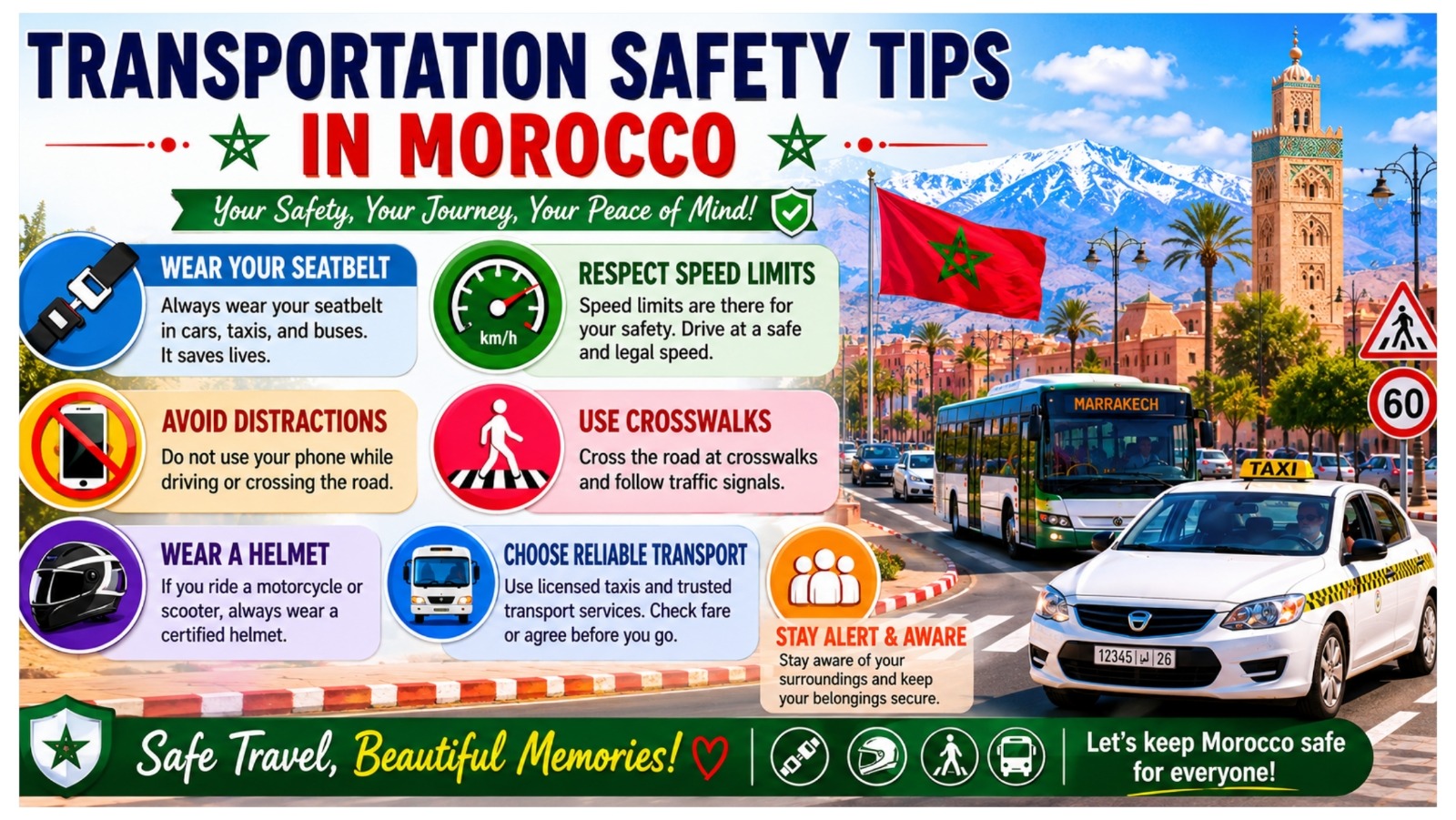
Transportation Safety Tips in Morocco
Transportation in Morocco is generally considered safe, affordable, and tourist-friendly, especially between major cities.
Trains
Morocco’s railway network is considered among the best in North Africa and connects major cities including:
- Casablanca
- Rabat
- Marrakech
- Tangier
- Fes
Advantages of Trains:
- Comfortable seating
- Affordable fares
- Reliable schedules
- Safe travel environment
First-class tickets are often recommended for additional comfort.
Taxis
There are two primary taxi systems in Morocco:
Petit Taxis
- Used for city travel
- Ideal for short distances
Generally affordable
Grand Taxis
- Used for intercity transportation
- Often shared with other passengers
- Common in smaller towns
Travelers should confirm fares before beginning the trip whenever taxi meters are unavailable.
For safer airport and hotel transportation, visitors may also use Airport Transfers & Pickup Services.
Car Rentals
Renting a car provides flexibility for travelers who want to explore:
- Mountain villages
- Coastal towns
- Sahara desert regions
Road conditions between major tourist areas are generally good, although driving inside busy cities such as Marrakesh and Casablanca may feel stressful due to heavy traffic and aggressive driving behavior.
Driving Recommendations
- Drive cautiously in medinas and crowded streets
- Avoid nighttime driving in remote areas
- Use GPS or offline navigation apps
Important Morocco Travel Safety Recommendations
Although Morocco is widely considered a safe destination, following basic safety precautions can make the journey more enjoyable.
Key Safety Recommendations
- Carry small cash notes for taxis and local shops
- Avoid walking alone in isolated or poorly lit areas at night
- Book tours through reputable travel agencies
- Respect local Islamic customs and traditions
- Save emergency contact numbers on your phone
- Purchase comprehensive travel insurance before arrival
- Avoid unofficial currency exchange services
- Keep copies of passports and travel documents
- Stay alert in crowded tourist areas
Travelers can also explore Halal Insurance & Takaful Services for added travel security.
Final Verdict: Is Morocco Worth Visiting for Muslim Travelers?
Yes — Morocco remains one of the safest and most rewarding halal-friendly travel destinations in the world.
Its combination of Islamic history, halal cuisine, beautiful mosques, welcoming culture, and diverse landscapes makes it especially attractive for Muslim travelers.
Whether you are planning:
- A family holiday
- A honeymoon
- A solo adventure
- A luxury escape
- A cultural exploration trip
Morocco offers unforgettable experiences for Muslim visitors.
Major Advantages for Muslim Travelers
- Rich Islamic heritage and architecture
- Halal food available throughout the country
- Easy access to mosques and prayer spaces
- Muslim-friendly hospitality culture
- Family-oriented atmosphere
- Luxury riads, resorts, and desert camps
- Traditional souks and cultural experiences
- Beautiful mountains, beaches, and desert scenery
Although travelers should remain cautious about scams and petty theft like in any tourist destination, well-planned trips and basic safety awareness usually result in highly positive travel experiences.
From exploring the vibrant medinas of Marrakech and Fes to relaxing in coastal towns and enjoying Sahara adventures, Morocco continues to attract Muslim travelers seeking meaningful halal travel experiences in 2026.
Plan Your Trip to Halal-Friendly Morocco
Do you want to experience Morocco’s Islamic culture, halal cuisine, luxury riads, and breathtaking attractions?
Now is the perfect time to plan your journey.
Halal Explore helps Muslim travelers discover halal-friendly destinations, hotels, restaurants, travel tips, and Islamic cultural experiences around the world.
Why Travel with HalalExplore?
- Handpicked halal-friendly hotels
- Muslim-focused travel recommendations
- Family and couple travel advice
- Destination safety information
- Budget and luxury travel options
- Islamic cultural travel experiences
Explore Morocco Today
Discover more halal-friendly riads, restaurants, travel advice, and vacation inspiration through:
- Halal-Friendly Hotels Worldwide
- Halal-Friendly Activities Worldwide
- Best Halal-Friendly Cruise Packages
- Best Halal Restaurants Worldwide
Faq section
Is Morocco safe for Muslim tourists?
Yes, Morocco is deemed a safe destination for Muslim tourists, families, single travelers, and couples. While there could be petty scams and instances of pickpocketing in popular tourist locations, violent crimes targeting visitors rarely happen.
Is halal food easily accessible in Morocco?
Yes, halal food is abundant in Morocco because the country is predominantly Muslim. Local restaurants will most likely offer halal food to eat.
Is Morocco safe for Muslim female tourists traveling alone?
Yes, Morocco is fairly safe for solo female travelers, especially when visiting cities that are friendly to tourists. Nonetheless, travelers are advised to dress appropriately and not venture into deserted areas at night.
Are mosques accessible for tourists in Morocco?
Most mosques in Morocco allow visits only by Muslims. However, one of the main attractions in the country, the Hassan II Mosque, allows visits by non-Muslims as well.
What kind of scams are common in Morocco?
Some of the common scams in Morocco include unofficial tours, expensive rides from taxi drivers, aggressive salespeople, and pickpocketing in crowded marketplaces.
Is Morocco a great destination for Muslim family vacations?
Yes, Morocco is among the best destinations for a family vacation in terms of halal food, cultural aspects, hospitable locals, and accessible mosques.