Hotels
 Activities
 Holidays
 Transfers
 Insurance
 Cruises
 Restaurants
 Blogs
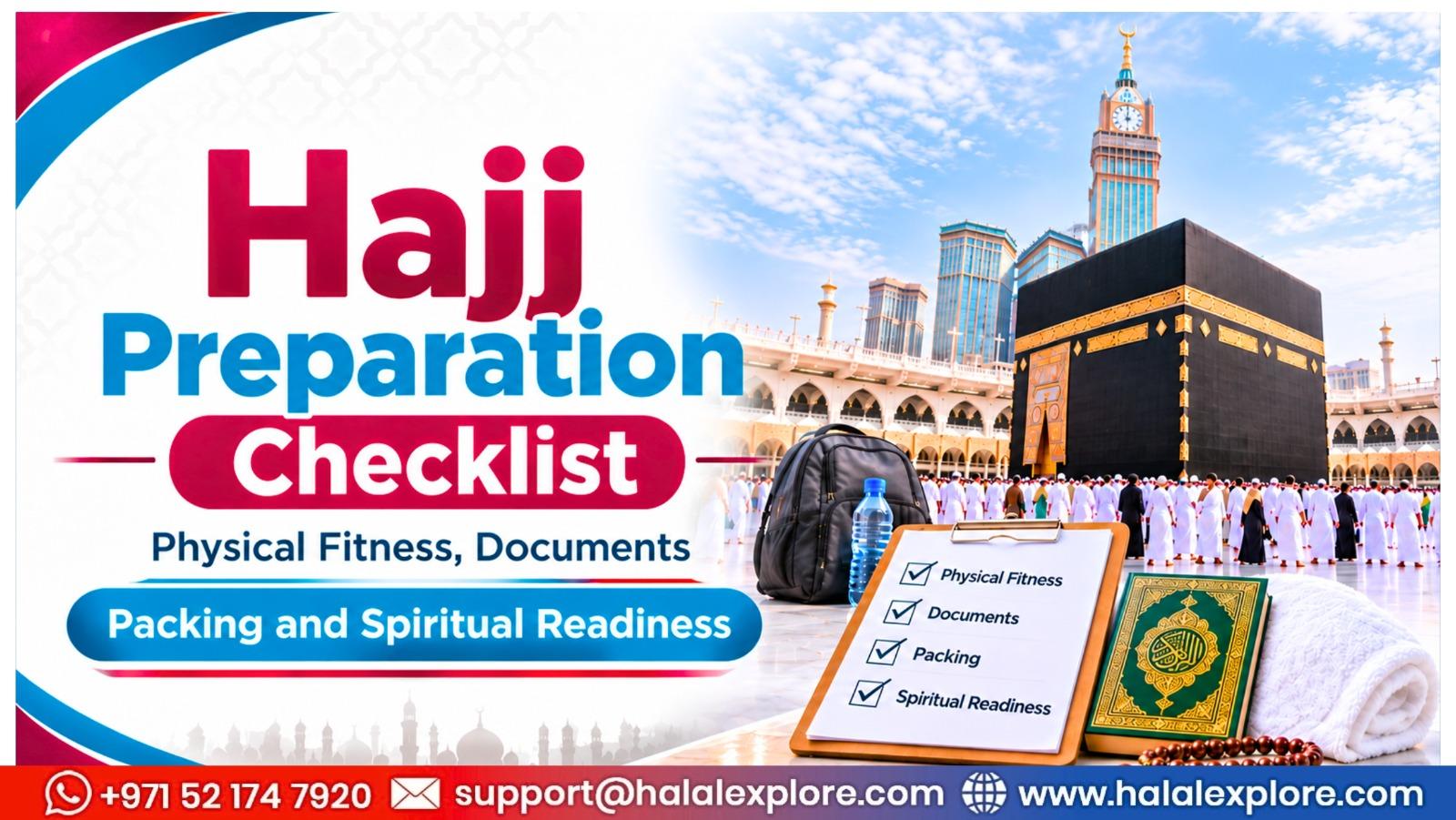
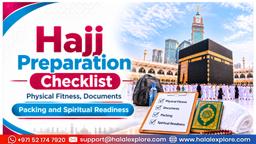
How to Prepare for Hajj: Start with a Plan
Planning your Hajj can help you feel physically prepared and focus on the meaning of the pilgrimage. Consider the following points as you prepare. For help planning the wider trip, explore HalalExplore, including its halal-friendly holiday packages, halal-friendly hotels, and airport transfers and pickup.
1. Organise Your Preparation
Ensure you prepare in good time. This can make your Hajj run smoothly. If you leave preparations until late, it can be difficult to sort passports and medical appointments, and understand the itinerary.
Create a file to organise:
- Passports and travel documents
- Hajj booking details and packages
- Flights and accommodation details
- Medical and vaccination information
- List of medications and medical notes
- Emergency contact information
- Receipts and correspondence with your Hajj provider
Create reminders for important dates. This can include renewing your passport, submitting documents, having vaccinations and making final payments. Ensure you have saved contact details for your Hajj provider and group leader. If you are travelling with others, decide in advance how you will communicate if you become separated.
It can be helpful to give a trusted person at home a copy of your itinerary. Include important travel documents and the contact numbers for your Hajj provider and group contacts.
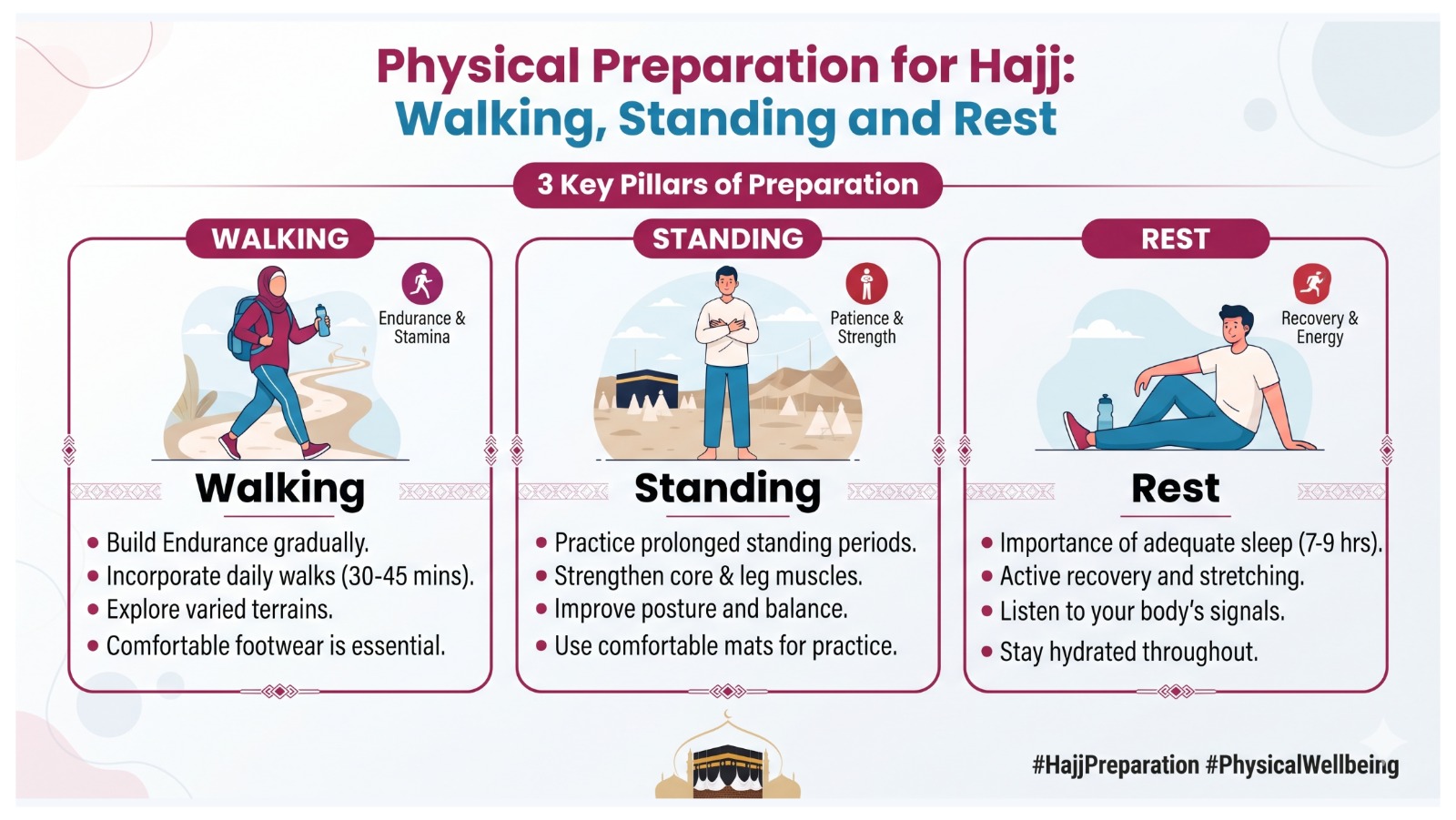
2. Physical Preparation for Hajj: Walking, Standing and Rest
Depending on which package you have undertaken, the accommodation and daily schedule, and your personal health, you may be required to do a lot of walking and standing. To make your Hajj more manageable, gradually get into a routine.
Walking
Try to gradually increase the amount of walking that you complete. Do walks at your own pace. If you aren’t very active, start with easy walks that don’t take much time or distance. As you get fitter, increase the duration or distance. Do not push past pain or tiredness.
Wear the same footwear you will wear on your trip so that you can identify any friction and discomfort. If you develop blisters in your footwear prior to the Hajj, they are unlikely to become more comfortable after a long day.
If you have any health conditions related to joints, balance, breathing or your heart, please speak to a healthcare professional for a plan for you. If you have not been physically active recently, avoid intense exercise. You can also explore halal-friendly activities worldwide when planning activities around your trip.
Standing
Try to stand for a comfortable length of time. Knowing how you react to physical activity, footwear and rest throughout the day can help you to make sensible decisions during the Hajj.
Try a gentle routine: regular walks, simple mobility exercise and sufficient rest. Choose an intensity of exercise that is appropriate for you. If you are experiencing symptoms of concern, such as chest pain, unusual breathlessness, dizziness or severe pain, stop and seek medical advice.
3. Medical Appointment
Pilgrims are recommended to visit a doctor to ensure they are healthy and prepared for Hajj. This is particularly important for elderly people, pregnant people, people with long-term medical conditions, or people who regularly take medication. Saudi Ministry of Health: Hajj health guidelines
Talk to your doctor about:
- Whether your medical condition is stable for travel
- What precautions to take with physical activity and heat
- How to take your medication appropriately during travel, taking time-zone differences into account
- Whether you require extra medication or medical supplies
- What to do if symptoms get worse during travel
- Whether receiving a medical letter or a copy of a prescription would be useful
Have a list of medications with you. Include the name of each medication, dosage and reason for taking it. Include important medical information with you. Ensure a travel companion knows how to support you in an emergency. You may also wish to review halal insurance and Takaful options as part of your wider travel preparations.
3. Hajj Health Preparation: Medical Advice, Heat and Hydration
Depending on the season, temperatures during Hajj can be very high. Dehydration and heat-related illness can be a problem during Hajj. To help reduce the risk, drink fluids regularly, rest and find shade. Try to limit direct sun exposure. Saudi Ministry of Health: heat injuries during Hajj
Ensure you are drinking enough fluids. Waiting until you are very thirsty to drink may cause problems. If you have a medical condition that affects how much liquid you should drink, or if you are on medication that affects hydration, follow the advice of your healthcare professional. Using an umbrella, wearing sun protection and choosing light, loose-fitting clothes can also help you feel more comfortable.
Know the signs of heat exhaustion. These can include headaches, excessive sweating, weakness, nausea, extreme thirst and dizziness. If you or someone with you is feeling unwell, move to a shady, cool place and rest. If someone is very unwell or isn’t improving, seek help. Follow the advice given by local medical staff and your group leader. Saudi Ministry of Health: heat illness guidance
For other travel planning, see HalalExplore’s guides to halal restaurants and halal-friendly cruise packages.
4. Hajj Vaccinations and Health Requirements
Health requirements may vary depending on the season and country you are coming from, and personal factors. Make sure that the information you are checking is up-to-date. Refer to current advice from Saudi Authorities and local health authorities.
For Hajj 1447 AH (2026), meningitis vaccinations and recommendations were published by the Ministry of Health in Saudi Arabia. The exact requirements for future Hajj years may vary. Check the correct guidelines for your travel dates. (Ministry of Health Saudi Arabia) Health requirements
Prior to leaving:
- Find out which vaccinations you require from a qualified healthcare professional.
- Check how much time in advance and how long the vaccination certificate should be valid for.
- Keep proof of vaccination in your travel documents.
- Find out if you require updated regular vaccinations.
- Check any further health notices for your country of origin.
If you have a long-term medical condition, it is recommended to speak to your doctor before leaving, and to continue any prescribed medication as instructed. (Ministry of Health Saudi Arabia) Some patient health guidelines
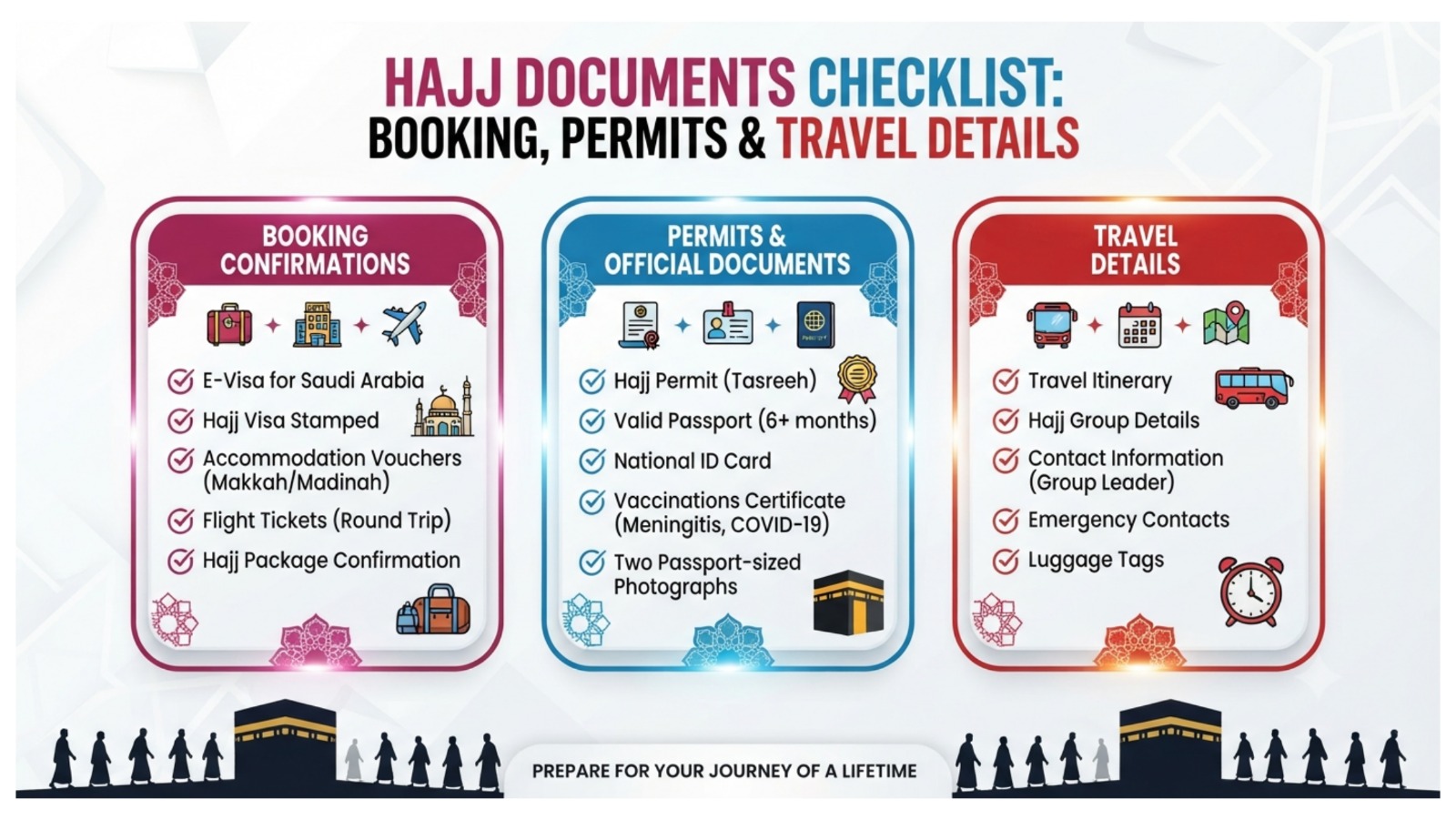
5. Hajj Documents Checklist: Booking, Permits and Travel Details
Ensure that you have all your travel documents in one place. Document requirements may vary depending on your nationality, country of residence and booking method.
Booking
Refer to official Hajj booking processes in your country. In Nusuk Hajj, accounts must be created, documents uploaded, applications completed, packages chosen and itineraries reviewed. Depending on the programme and country of the pilgrim, different steps will be required. (Nusuk Hajj)
In the UK, for example, British Nationals can book their Hajj places on the official Nusuk Hajj website. Different countries may have different booking methods, therefore please refer to the guidance for the country you are from. (UK Gov Pilgrimage Guidance)
Make sure you are booking through the official site or an authorised provider. Be cautious with sellers who are pressuring you to pay quickly, promising guaranteed access outside of official methods, or unable to clearly explain package details in writing. You can also explore halal-friendly holiday packages when planning your wider trip.
Document Checklist
Check with your provider and collect the following documents (depending on your individual situation):
- Valid passport
- Appropriate visa/entry documents
- Confirmation of Hajj booking and permit
- Confirmation of package and accommodation
- Flight details and itinerary
- Vaccination certificates (if required)
- Details of travel insurance
- Copies of prescriptions or summary of medical information
- Emergency contact details
Double check that the name and personal information across your booking matches your passport. Check dates of expiry and required validity well in advance. Keep originals in a safe place. Keep copies of documents in a separate place. If keeping digital copies, ensure they are in a place which can be accessed if you lose your phone/luggage. Ensure sensitive information is kept secure within appropriate account security. You may also wish to review halal insurance and Takaful options.
Understanding Package and Itinerary
Carefully read information about your package. Know what inclusions there are in relation to accommodation, transport, meals, group support and transfers. Find out with your provider how you can identify your group, where to meet and who to contact if you become delayed or separated.
Save location information and meeting instructions so you can access them without internet. If using your phone to navigate or communicate, know how to contact your group without relying on just one app/device. For airport travel arrangements, see airport transfers and pickup.
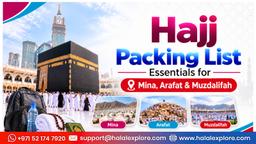
6. Hajj Packing List: Clothing, Footwear and Health Essentials
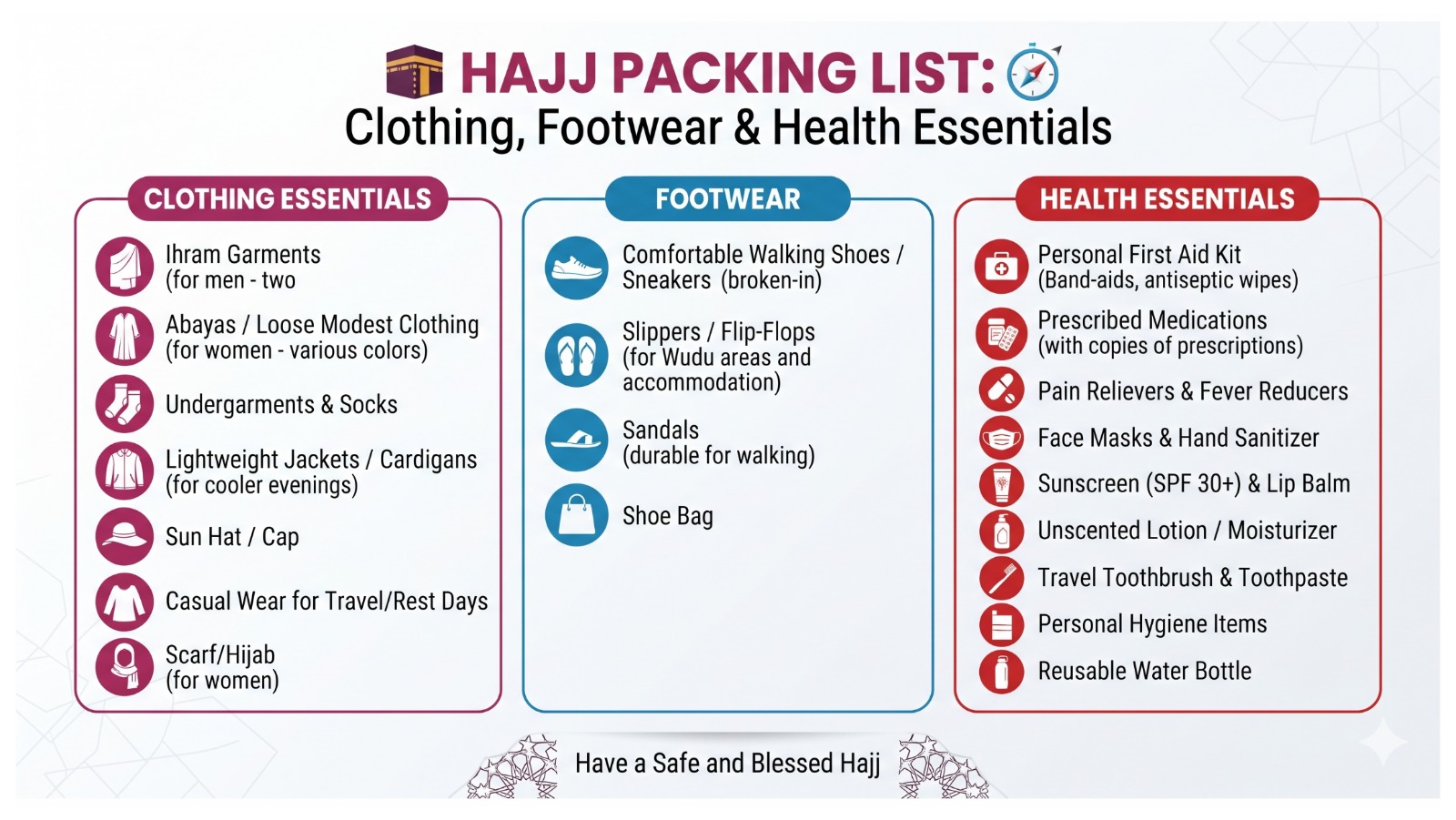
What you pack for Hajj will depend on your package, health, dates and baggage allowances. Check with your Hajj provider to find out what will be provided and what to bring. Aim to pack lightly so that you can manage your own luggage.
Appropriate Clothing
Pack modest and comfortable clothing in line with the weather and itineraries. Check with your provider or trusted religious guide for the correct Ihram clothing and when you should wear it. Pack enough changes of clothing for your travel, but do not overpack.
Women should wear comfortable clothing for walking in line with the weather. Men should be aware of Ihram requirements for their type of Hajj and journey. The exact time and method of entering Ihram will depend on your itinerary and religious guidance. Clarify this prior to travel.
Footwear
Packing comfortable, well broken-in shoes will be very useful. Wear secure-fitting shoes. Consider bringing extra socks and simple foot-care items (blister plasters).
Avoid trying new shoes on the day of the Hajj. Try them on for regular walks to determine if there are any hotspots. Bring a small rucksack to hold items you may need throughout the day. Do not overpack.
Health Items
Depending on your needs, consider packing:
- Prescribed medications in original packaging.
- List of medications and copies of prescriptions.
- Spectacles/contact lenses/hearing aids, and supplies.
- Personal medical equipment, and spare batteries.
- Basic first aid and blister care.
- Hand sanitisers and tissues.
- Face masks, if useful in busy areas.
- Unscented personal care items to comply with Ihram restrictions.
- Sun cream and light umbrella.
- Refillable water bottle.
Check airline and Saudi rules for packing medications, medical equipment and liquids. Some medications may require certain documentation, or handling. Check with the clinician who prescribed you the medication, and official travel guidelines for your circumstance.
6) Electronic Devices and Useful Items
A phone is very useful in order to keep in contact with your group, view booking information, and have digital copies of documents. Please take charging cables, the correct adaptor and (if useful) a portable battery which complies with airline rules. Write down key contact numbers, in case your phone runs out of battery.
You may also wish to take a small notebook, pen, sticker labels and secure bag for documents. Keep your passport and key items in a safe and easily accessible place. Avoid taking valuable items with you if they are not necessary.
Day Bag
Pack a small day bag with items you may need. Depending on your provider’s advice, this may include water, phone, key medications, ID, tissues, sun cream and group contact. Keep this bag light. Taking heavy items on long distances can cause more exhaustion. To reduce muscle stress, avoid carrying heavy items and wear comfortable walking shoes. (Ministry of Health Saudi Arabia) Muscle stress during Hajj
1. Spiritual Preparation for Hajj: Rituals, Ihram and Prayer
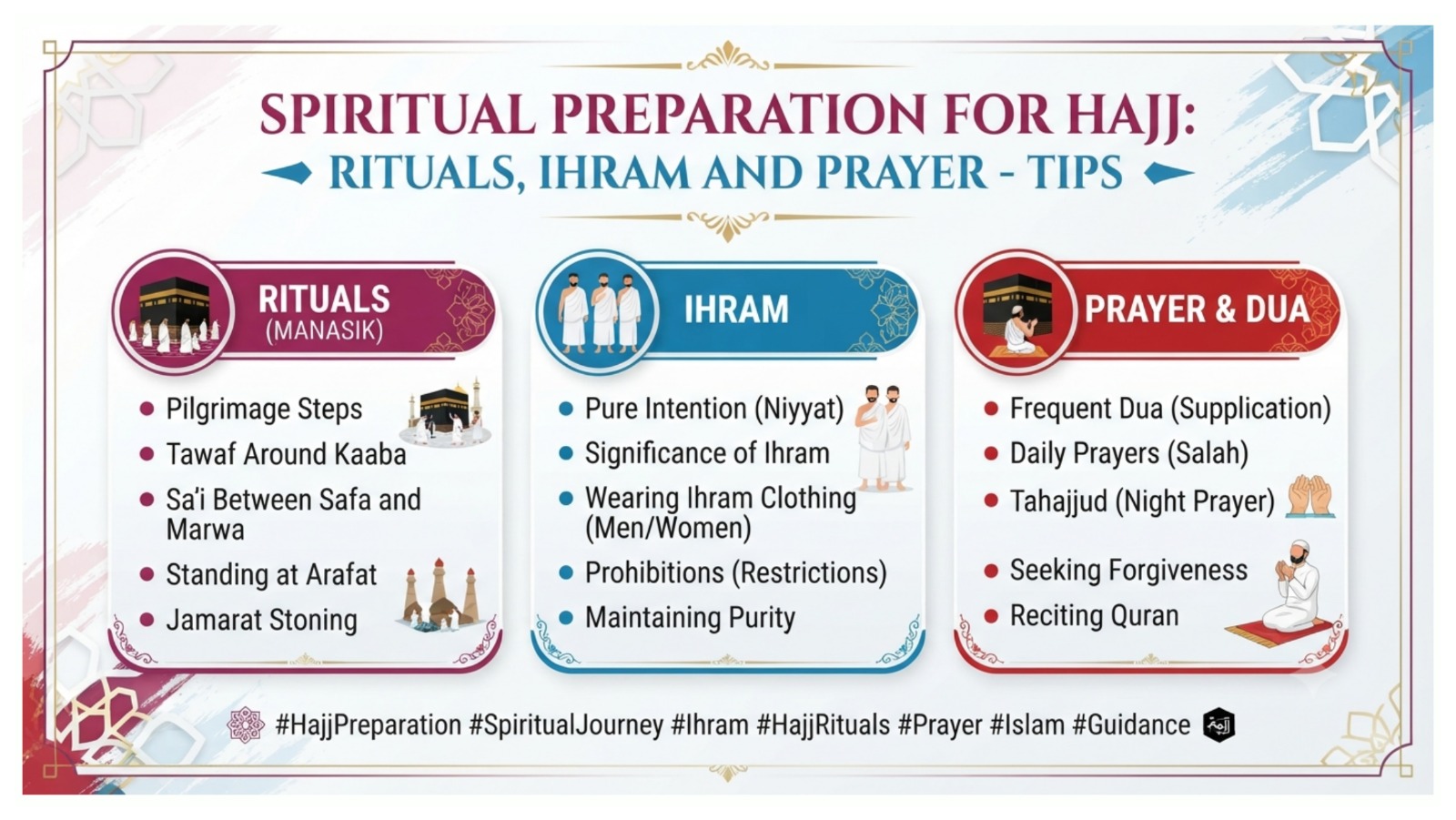
As well as practical preparation, it is very important that you are spiritually prepared. Take time to understand, reflect and make meaningful intentions.
Understanding Rituals and Itinerary
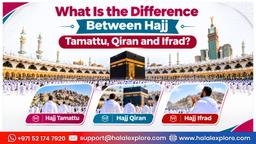
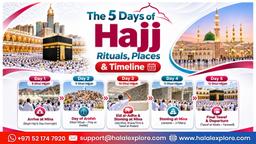
To better understand your Hajj, speak to a trusted scholar, guide or authorised provider to understand the order of rituals. Understand what type of Hajj you are undertaking and how your group’s itinerary is structured. The main Hajj rituals and Ihram status can be found here: (Nusuk rituals).
Write a list of questions to ask in advance. Questions may include what time the rituals will take place, where in the group you will meet, what to do if separated from your group, or who to speak to for religious guidance. Having clear answers can make the busy journey less stressful.
Ihram Knowledge
Before leaving understand what Ihram means, and the requirements for the type of Hajj you are undertaking. Check with a knowledgeable religious guide what time you should enter Ihram depending on your route/itinerary. Do not rely solely on your memory, or guidance for a different route.
Ensure items of clothing required are easy to access. If you have questions regarding personal care products or restrictions, speak to a trusted scholar in advance.
For accommodation planning, browse halal-friendly hotels worldwide. For food ideas during your travels, see best halal restaurants.
Reflection and Prayer
Consider what you would like to ask for in prayers during your Hajj. Write a personal list of prayers for yourself, your family and community. However, allow space to make spontaneous prayers.
Many people find it helpful to practice prayers they would like to make. If using a prayer booklet or app, make sure it is easy to access and understand. Do not make the process too complicated, but aim to be well prepared to make thoughtful and meaningful prayers.
Finalising Practical Matters
Ensure any practical matters are finalised in advance so that you have a clear head on the trip. Arrange for people in your family, pets and home to be cared for. Make sure appropriate people know how to contact you. If you have urgent work or financial matters, plan these in advance.
Many people also find it beneficial to ask for forgiveness and improve relationships where possible. Talking to family members about your plans can also help you have a clear head for the trip.
Patience and Thoughtfulness
As Hajj is very busy, and people from many backgrounds attend, delays and changed plans may occur. Be patient, polite and flexible. Take care of yourself, and be considerate towards other pilgrims, in particular elderly people, people with disabilities or those needing support.
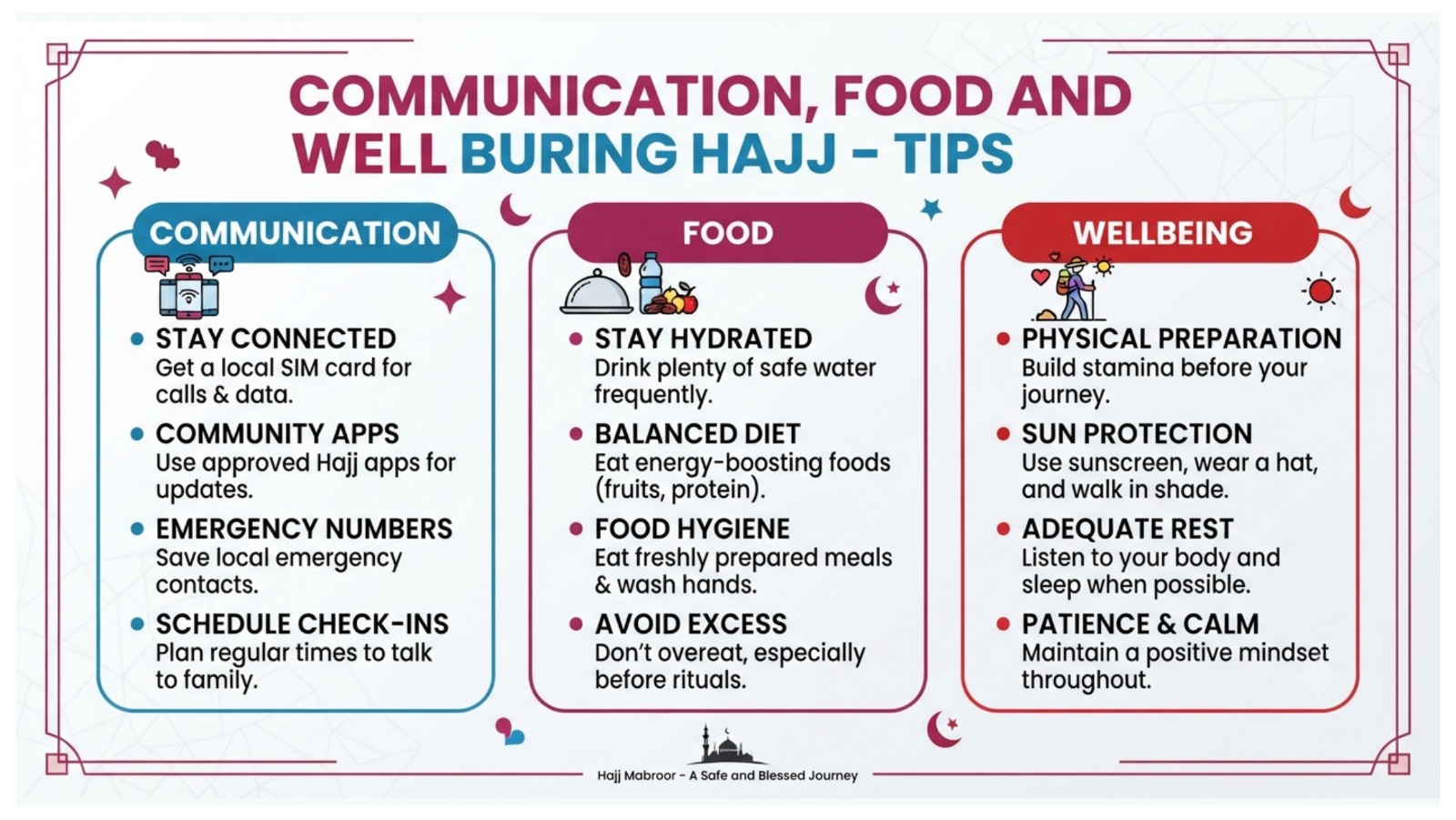
8. Communication, Food and Wellbeing During Hajj
Agree simple ways to communicate with others in advance. Save each other’s phone numbers, and your group leader’s contact information. Decide on a clear meeting place for if you become separated. Ensure everyone knows what to do in the event of no mobile signal.
If travelling with children, elderly people or people who may require extra support, ensure they have identification and group contact information in a secure place. If appropriate, save a recent photo of each person you are travelling with on your phone. Decide with people in your group who to ask for help if someone gets lost.
If using a map or itinerary on your phone, download any required information in advance. Do not rely on just one person’s phone for essential information for the whole group. For help planning travel arrangements, see airport transfers and pickup.
9) Food, Hygiene and Wellbeing
Due to the busy nature of Hajj, you may feel less energetic. Follow local guidelines for food safety. Wash or sanitise hands before eating, and after using communal facilities. Drink safe water, and eat food that has been correctly handled and stored.
Try to eat regular meals, appropriate for your health. Follow any dietary advice from your clinician. If you have allergies or dietary requirements, make sure you can clearly communicate these to your provider or service. Find out in advance what meals are included in your package. For halal dining ideas, see best halal restaurants.
Take regular rests. If feeling unwell, let someone in your group or group leader know. If you have serious symptoms, or if your health deteriorates, seek medical assistance.
9. Final Hajj Preparation Checklist
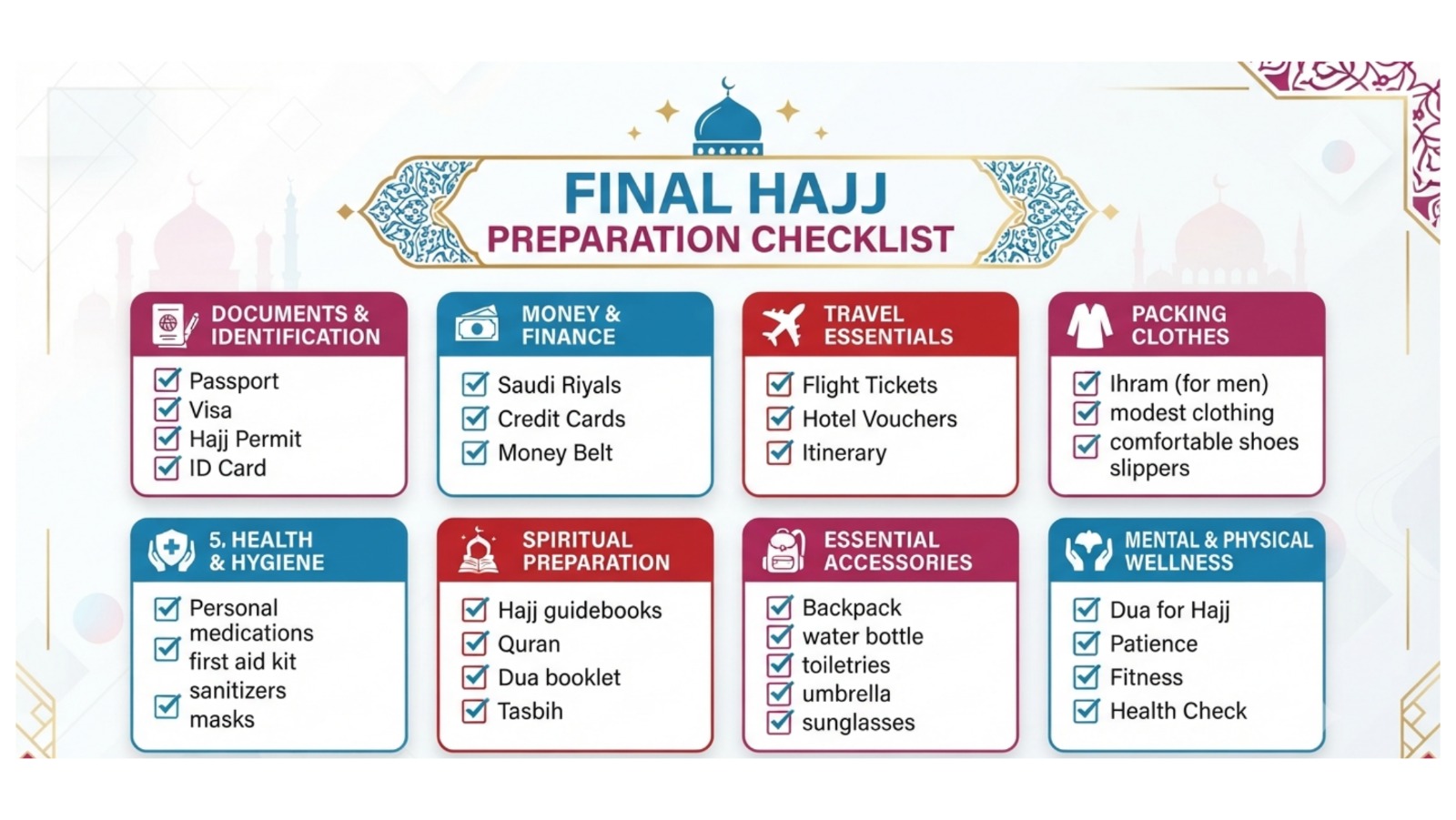
Prior to leaving:
Documents
- Passport and appropriate entry documents are valid.
- Hajj booking, package and itinerary information has been saved. Explore halal-friendly holiday packages for wider trip-planning ideas.
- Flights and accommodation information has been confirmed. Browse halal-friendly hotels worldwide.
- Contact information for your Hajj provider and group leader has been saved offline.
- Copies of key documents have been saved separately.
- Family or trusted contact has a copy of your itinerary.
Health and Packing
- Current health and vaccination requirements have been checked.
- Medications have been packed in original packaging, with appropriate documentation.
- Advice has been received from a clinician for managing health on your trip.
- Comfortable footwear has been tried.
- Day bag and key items have been prepared.
- Know how to seek medical support, if required.
Spiritual Readiness
- Rituals and type of Hajj have been reviewed.
- Know when to complete Ihram instructions based on your route.
- Questions to scholars or group leaders have been answered.
- Time has been taken to make meaningful intentions and reflections.
Frequently Asked Questions
When should I start preparing for Hajj?
Start preparing as soon as possible. Starting early means you have more time to ensure you are booking through the correct official method, check passports, get medical advice, get used to walking comfortably, and understand the rituals. Refer to the timeline of your Hajj programme for exact dates.
How can I physically prepare for Hajj?
Gradually increase the amount of walking you do to suit your health and fitness. Try your footwear and take regular rests. If you have a medical condition or concerns relating to physical activity, please speak to a clinician. Avoid intense activity suddenly. Do not ignore pain or concerning symptoms.
What documents should I take?
Depending on your nationality, country of residence and booking method, different documents may be required. Common documents include a passport, appropriate entry documents, Hajj booking and itinerary information, and any required health records.